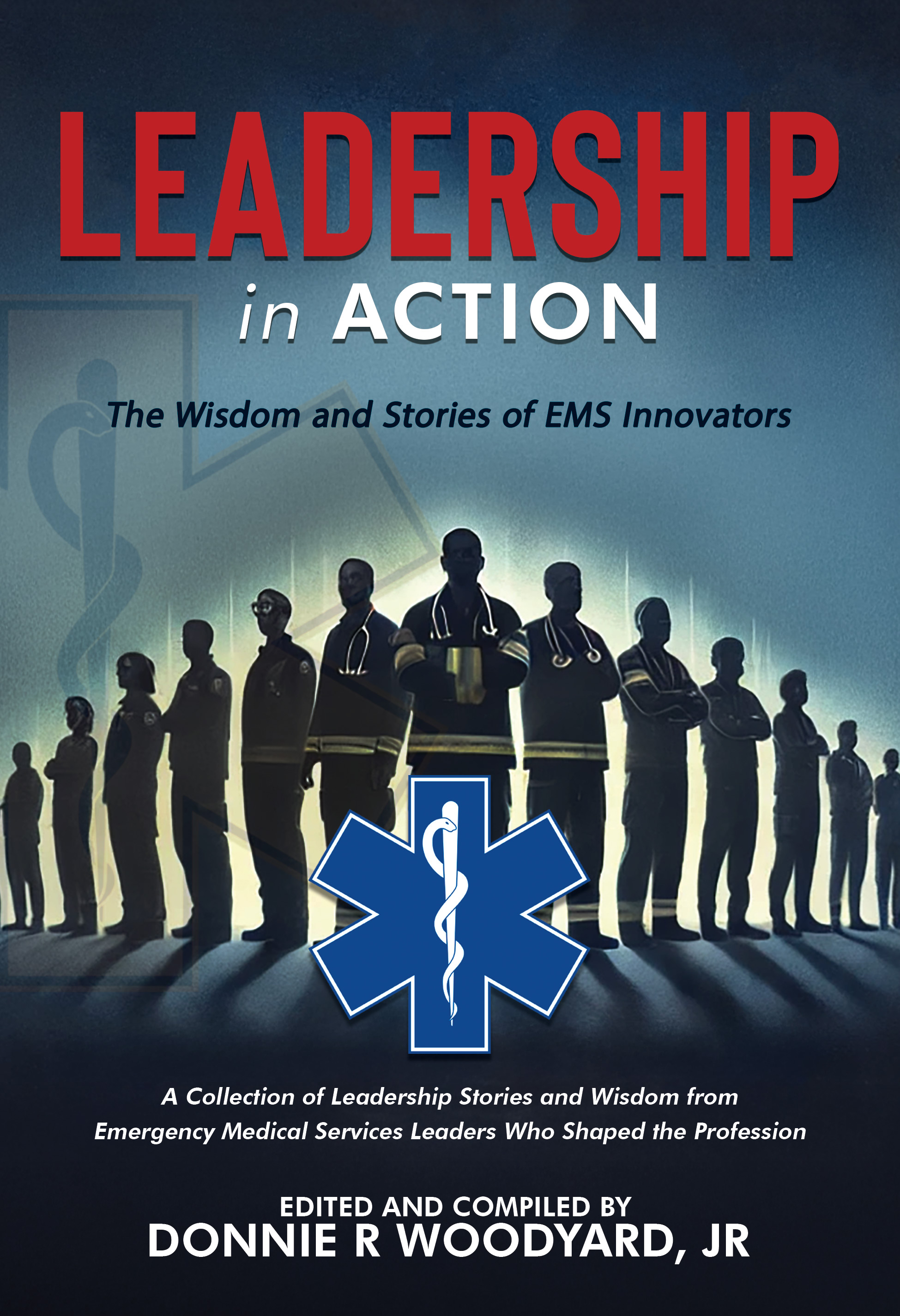
About This Book
Leadership in Action: The Wisdom and Stories of EMS Innovators is a powerful compilation of personal leadership experiences, hard-earned lessons, and transformative insights from some of the most respected leaders in emergency medical services. This book brings together real-world wisdom from industry pioneers who have dedicated their lives to advancing the profession.
With a foreword by Secretary Leon Panetta, this collection captures the essence of leadership in EMS — offering guidance, inspiration, and mentorship for the next generation of leaders.
Compiled and edited by Donnie Woodyard, Jr., this book is not a leadership textbook or manual of theories — it is a compilation of real-life encounters of leaders with the many facets of life and leadership. The highs, the lows, and everything in between.
Who Should Read This Book?
What You'll Discover
- Firsthand leadership experiences from top EMS professionals
- Lessons on resilience, adaptability, and decision-making in high-pressure situations
- Strategies for leading teams, building strong EMS cultures, and navigating industry challenges
- Stories of success, failure, and the defining moments that shape great leaders
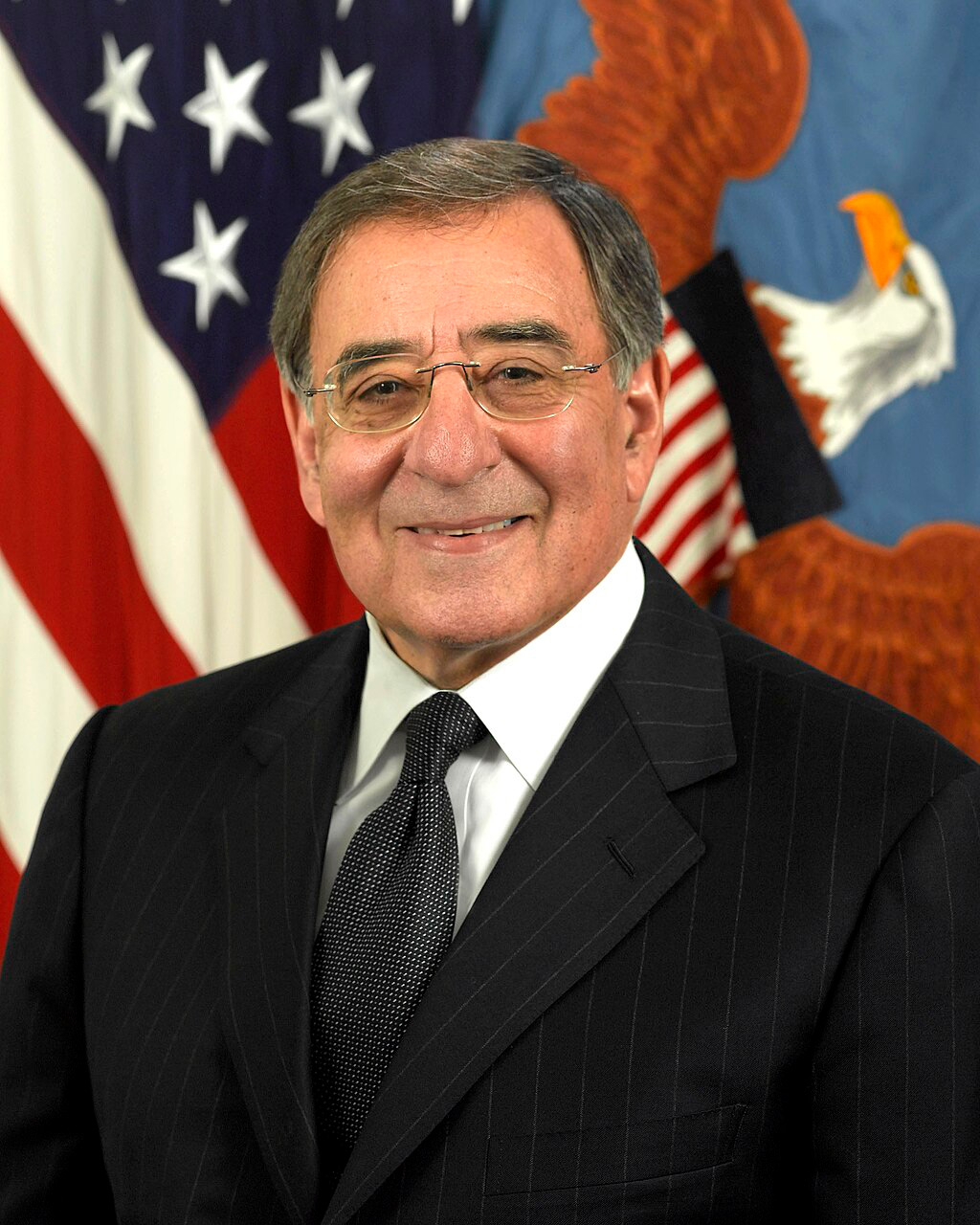
Foreword
I am honored to be invited to contribute an opening letter to future EMS leaders for the book you are compiling: Leadership in Action: The Wisdom and Stories of EMS Innovators, that celebrates leadership and innovation in Emergency Medical Services and features the advice, lessons, and stories from more than forty of our nation's most respected EMS leaders who have shaped the system we know today. The aim and objective of your efforts coincide with the goals and objectives of The Panetta Institute for Public Policy, which is to attract thoughtful men and women to lives of public service, helping them master the policy process and develop their skills as future leaders.
Each year the Panetta Institute sponsors two programs that especially focus on leadership, the Congressional Internship Program and the Education for Leadership in Public Service Seminar, the latter which invites student body presidents from the California State University System and three private universities to learn from exceptional leaders representing all walks of society. Recently, we invited Admiral William McRaven to speak on the foundation for his Navy Seals' success in bringing Osama bin Laden to justice. He highlighted non-partisan teamwork; fact-based analysis; relentless focus on a national priority; self-sacrifice; rigorous and objective debate among a team striving for a clear goal; and humility in the face of victory.
During that same seminar, a student asked me my five best leadership lessons and I answered: set clear goals; develop the best strategy to achieve those goals; build a strong team and empower them to do their job; be honest with your team; and be honest with yourself. I believe that your collection addresses and amplifies the key elements of both Admiral McRaven's and my insights.
But let me emphasize an aspect of the EMS experience that is not always explicitly or publicly highlighted and is crucial at this moment in America's history. And that involves the question of Taking Action: Is it wise to step forward against criminal aggression and hooligans in a public setting? Is it a moral duty to do so? This correlates with what many scholars see as a major social evil today, the breakdown of community — a reduction in the people's sense of mutual responsibility and concern as members of society.
Further, given the commonality of weapons in the United States, more of our citizenry are inclined to think that the person who turns away instead of stepping forward with courage is not being cowardly but rational. It seems like common sense now not to get involved. This is where I believe the EMS example is particularly salient — more and more of our citizens witness the effectiveness, the courage, and the successes of EMS personnel, and are implicitly persuaded to help others. In an important way, then, the sense of belonging in our society is vitally enhanced, which is the richest sustenance that any people can have.
Again, Mr. Woodyard, thank you for this opportunity to address the leaders and members of the illustrious EMS organizations. One of the aims of our great democracy is to raise people as closely as possible to the ideal of excellence in their chosen calling and that means providing the leadership of the best and most demanding kind. That is what you are admirably trying to do, and this book is a great step forward in that direction.
Meet the Authors



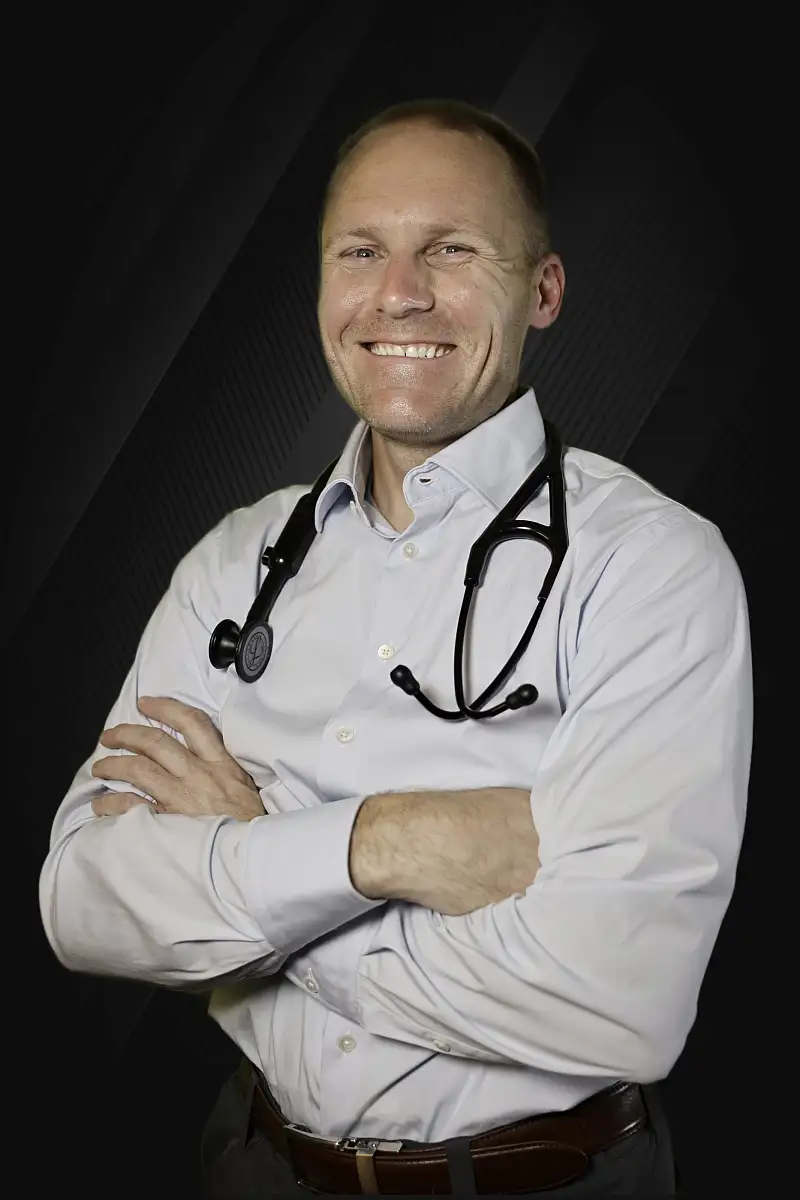











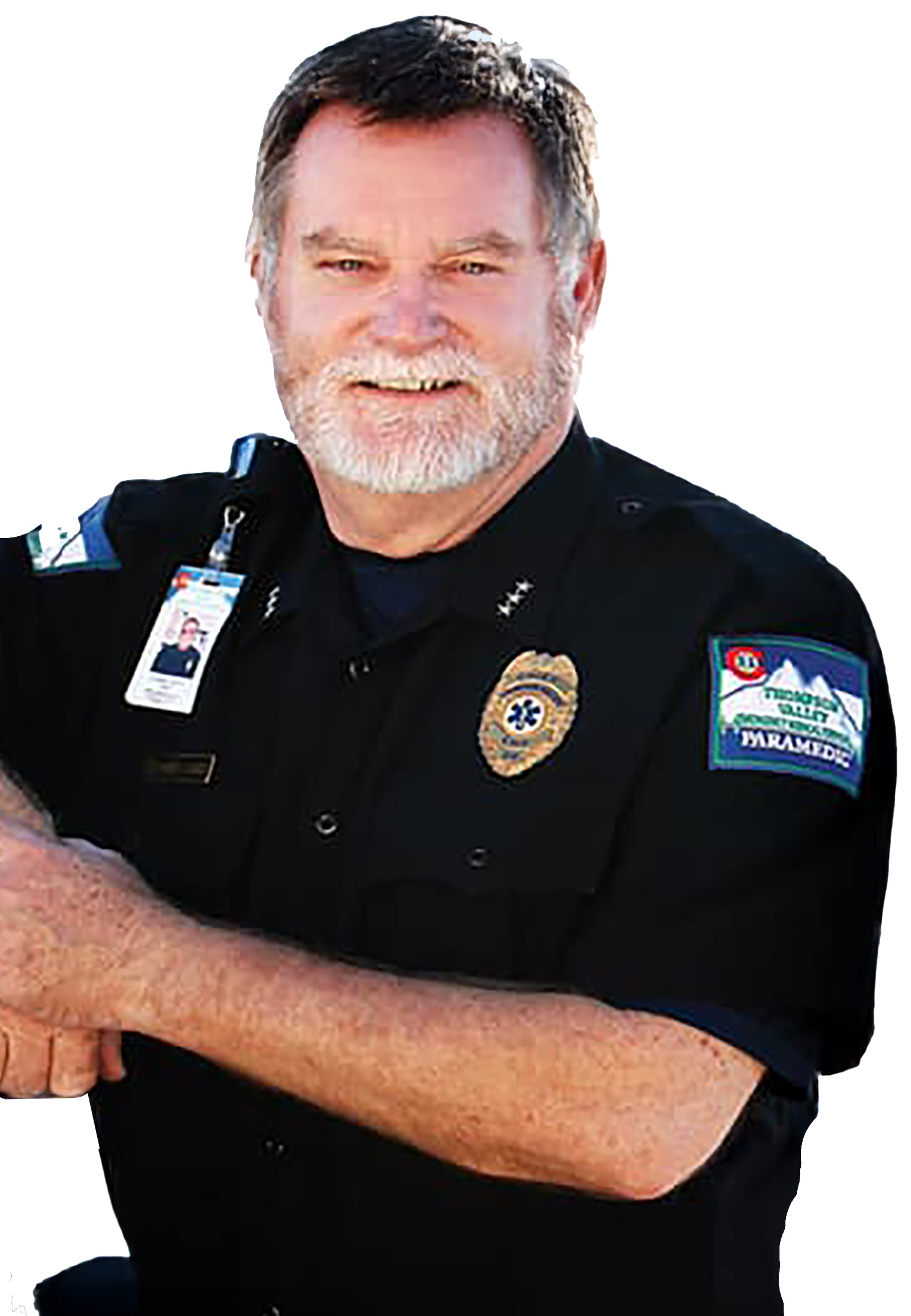
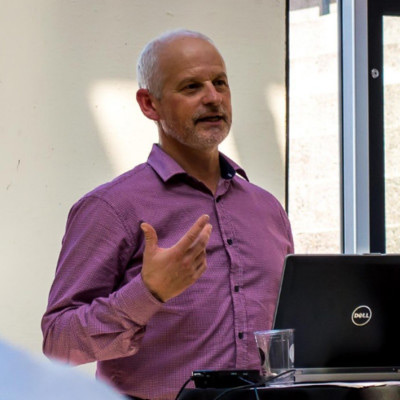


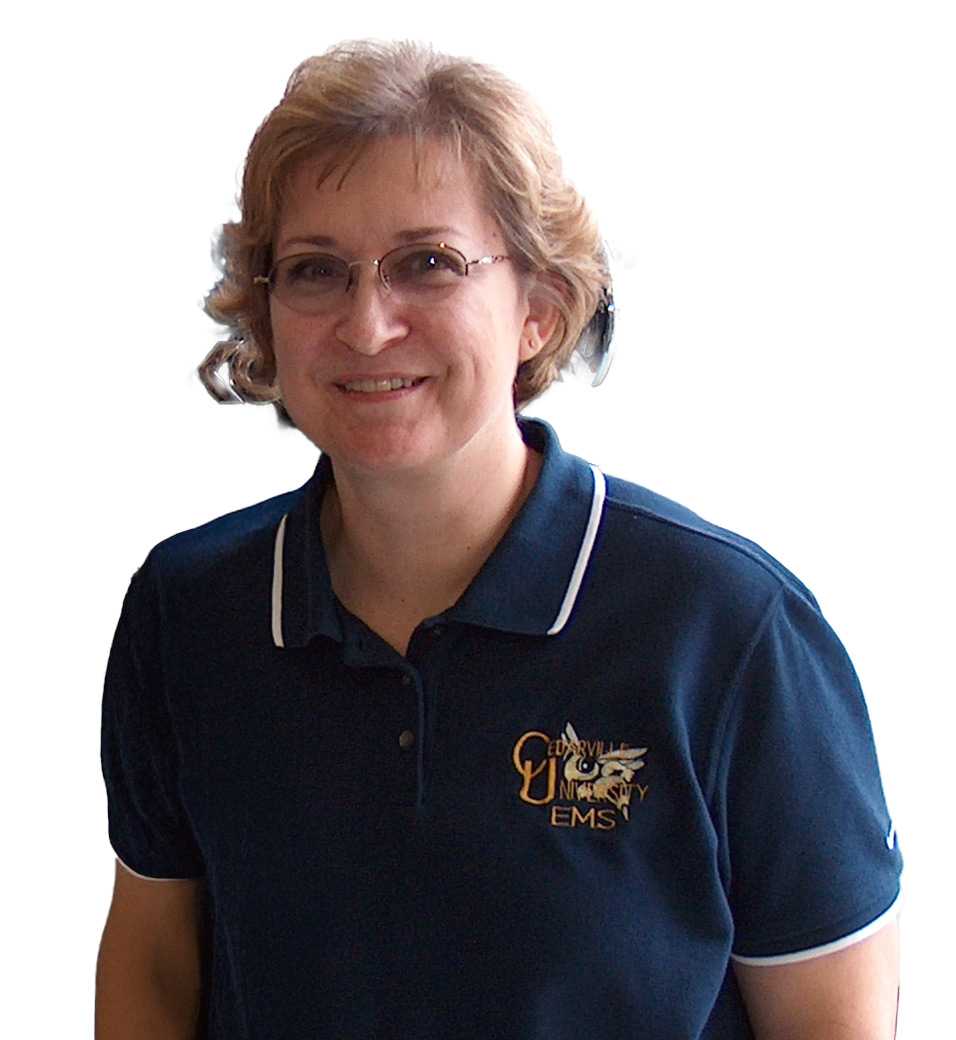










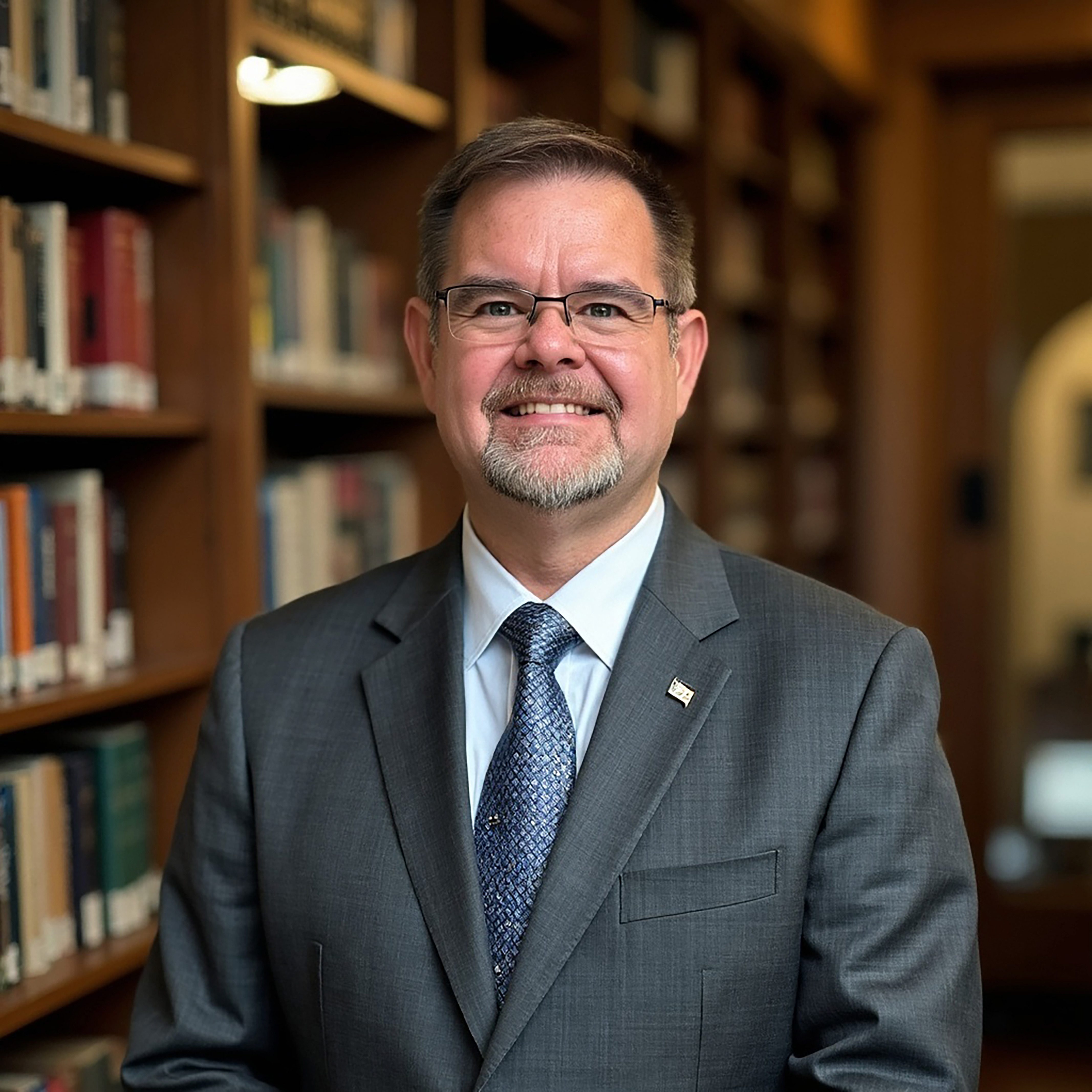
Table of Contents
53 chapters across 7 thematic sections
Foundations of Leadership
- From Fascination to Innovation: Lessons in EMS Leadership — Roger White, MD
- Pioneering EMS: Lessons in Leadership, Resilience, and Mentorship — John Moon, EMT-P (Ret.)
- The Grace of Resilience — Doug Wolfberg, JD
- Leadership Lessons from the Streets — Nitin Natarajan, MA
- The Path of Purpose: Bridging Military Service, EMS, and Public Leadership — Leroy M. Garcia, MA, NRP
- Leading with Purpose in EMS: The Fragile Gift — John R. Clark, JD
- The 5Rs of EMS Success: A Leader's Legacy — Joseph Schmider, EMT
- Rooted in Purpose: Leadership Lessons for Aspiring EMS Leaders — Keith Wages, BS
- I Was Hired into a Leadership Position. Now What? — Fred Claridge, EMT-P (Ret.)
- The Marker Light Principle — Shannon Gollnick, DBA, NRP, FP-C
- Leading with Purpose: Strengthening EMS Teams and Communities — Sean Caffrey, MBA, NRP
- Leadership Essentials: Short Notes for Rising Leaders — Alan Arguello, MBA, PMP, NRP
- Carrying the Torch: Lessons for Emerging EMS Leaders — Douglas Kupas, MD, FAEMS, FACEP
- Bridging the Gap Between Clinician and Leader — Daniel Gerard, MS, RN, NRP
Timeless Lessons
- Tools for the Arena: Leadership Principles and Personal Growth — Justin Romanello, MA, NRP
- Good to Great: The Questions That Shape Leaders — Tad Rhodes, BSc, BA
- Leadership by Evolution — Jon Krohmer, MD, FACEP, FAEMS
- Leadership's Hard-Won Wisdom: 10 Truths for Aspiring Leaders — Donnie Woodyard, Jr.
Defining Moments: Growth, Challenges, and Opportunities
- Rising from Setbacks: Perseverance on the Path to EMS — Kraig Kinney, JD, EMT-P
- Imposter Syndrome — John Barrett, DNP
- A Humble Beginning — Gayan Chaturanga, MSc, EMT
- Leading with Purpose: Lessons from an Unexpected EMS Journey — Maria Beermann-Foat, PhD, MBA, NRP
- From Farm to Frontline: An Unlikely Journey to EMS Leadership — Jeanne-Marie Bakehouse, BA
- The Road Less Traveled: Lessons in Leadership, Growth, and Resilience — Ryan Thorne, NRP
- Listening, Leading, and Learning in Rural EMS Systems — Brandon Chambers, NRP
- Live, Love, Laugh and Leave a Legacy — Mike McEvoy, PhD, NRP, RN, CCRN
- It Starts with You: It's Not Too Late — Moriah A. Washington, MPA, EMT
- Seen, Known, Loved: The Heart of EMS Leadership — Zach Alvey, EMT
Building and Empowering Teams
- Shaping Outcomes: The Transformational Power of EMS Culture — Dominique Wong, MD
- Onboarding New EMS Employees: A Path to Success or the Edge of Failure? — Skip Kirkwood, MS, JD, NRP (Ret.)
- Beyond the Unit Number: Understanding the Human Side of EMS Leadership — Joshua Tromp, MS, EMT
- 10 Traits of Great EMS Field Supervisors — John Becknell, PhD
- Elite EMS Leadership Teams — John Becknell, PhD
- Rethink EMS Wellbeing & Mental Fitness — John Becknell, PhD
- Leading Through the Eyes of Grace — Asbel Montes, BS
Advancing the Profession
- Cornerstones of Competence: Shaping the Future of EMS Education — Randy Stair, MSN Ed., MA, RN, NRP
- The Three Keys to More Effective Advocacy — Gregg Margolis, PhD, NRP
- Guiding the Frontlines: Lessons for EMS Medical Directors — Douglas Kupas, MD, FAEMS, FACEP
- Building the Blueprint: The Legacy of Paramedic Education — Walt Stoy, PhD, EMT-P
- A Real Career Ladder for the Paramedic Profession — Skip Kirkwood, MS, JD, NRP (Ret.)
- EMS Research and Evidence-Based Practice — Alex (Sandy) MacQuarrie, PhD, MBA
- Emerging Leaders: The Call Within the Call — Jay M. Scott, MBA, NRP
- Innovation and Collaboration: The Journey to Prehospital Blood Transfusions — William J. Bullock, MPA, EMT-P
- Please Describe Your Leadership Style — Donnie Woodyard, Jr.
- EMS Is Worth Fixing: Why You Should Be the One to Do It — Daniel Burke, MBA, NRP
Visionary and Transformational Leadership
- Vision Defines Leadership — Bruce Evans, MPA, CFO, NRP
- Forging the Future: Lessons in Visionary Leadership — Donnie Woodyard, Jr.
- Figure It Out, Kid: Leadership Lessons from a Lifetime in EMS — Randy Lesher, BA, EMT-P (Ret.)
- The Squad That Changed Everything: Embracing the Unexpected — Deb McDonald, BSN, RN
- Do What You Like! — Kenneth Williams, MD, FACEP, FAEMS
- Resilience, Culture, and Career Longevity — John Sammons, AAS, NRP
- Living Life, The Sandhurst Way — Rob Lawrence, MCMI
Concluding Thoughts
- Reflections: Words That Define Our Journey — Donnie Woodyard, Jr.
A Commitment to EMS Legacy
80% of the net proceeds from this book are donated to national EMS charities, including the National EMS Museum. By purchasing this book, you're not only investing in your leadership growth — you're helping preserve the history of EMS and support the future of the profession.
Founded in 2006, the National Emergency Medical Services Museum is a registered 501(c)(3) nonprofit dedicated to preserving and commemorating the history of EMS. Through its exhibits, research collections, and annual publication The EMS Historian, the museum brings to life the stories of EMS clinicians, innovations, and pivotal moments that have shaped the profession.
Editor's Note
"If you want to go fast, go alone. If you want to go far, go together."
This African proverb captures the essence of leadership and the spirit of this book. Leadership in EMS is not about quick fixes or individual success — it's about the collective journey, the lessons we share, and the impact we leave behind. Whether you are stepping into leadership for the first time or seeking renewed purpose, we created this book for you.
Leading an EMS agency is not for the timid. It requires resilience, vision, and a steadfast commitment to something bigger than yourself. Whether you're ascending to leadership for the first time or you're a veteran leader looking for a fresh reason to continue on the path you've chosen, this book is for you.
When I began the work of creating this book, my aim was clear: to assemble the wisdom and experiences from the EMS leaders and mentors that invested in my journey, with the next generations of leaders. I also wanted to take a moment to reflect, with the help of those leaders, on the path my life has taken — a path in which I have been incredibly fortunate to be surrounded by so many incredible leaders.
This book is not a leadership textbook or manual of theories — it is a compilation of real-life encounters of leaders with the many facets of life and leadership. The highs, the lows, and everything in between have been lived, and these leaders are willing to tell the truth about their experiences and provide the raw and honest detail that allows us to glimpse the personal side of their leadership journeys. Each chapter stands alone, offering a unique perspective shaped by the author's personal leadership journey.
You will notice some themes — resilience, vision, collaboration — recurring throughout this book. That is by design. Leadership truths are constant; their expression is as diverse as the individuals who live them. Some authors share decades of experience, while others are earlier in their leadership journey. Yet all the insights shared here have equal value.
This book results from the collective effort of over 40 esteemed EMS leaders who generously invested their time, and shared their stories, experience and wisdom — not only to aid national EMS charities but as an investment in you: the next generation of EMS leadership. Their willingness to share their experiences is a profound gift to all of us who struggle to grow in our leadership.
I'm especially grateful to Secretary Leon Panetta for offering a foreword for this book. His career in public service stands as a shining example of a bipartisan approach to solving some of the most complex problems of our time and a dedication to integrity and purpose that makes him quite the role model for anyone aspiring to lead in a challenging environment.
EMS leadership does not happen in isolation. It is a journey shared with many, one that is taken in close step with those who are companions in this endeavor. The EMS future is bright — but only if we, as leaders, make it so.
With gratitude and hope for the future,
Donnie Woodyard, Jr. — Editor