Howard's address, published in The Lancet, systematically described the ambulance systems already operating in Chicago, New York, Boston, Philadelphia, Cincinnati, and Washington, D.C. — presenting them as the proven standard London should follow. He noted that American cities used telephonic dispatch, dedicated horse-drawn ambulances kept harnessed day and night, and hospital-based medical attendants responding directly to emergencies — a model he called "strictly a hospital-ambulance system."
Howard designed and built the London Hospital's ambulance carriage locally after initially planning to import one from New York. The vehicle incorporated the counterpoise spring system from his military ambulance, which had won the highest international prize at the Paris Exposition and was used in both the American Civil War and Franco-German War. He described the ambulance as "the only accident ambulance carriage in civil life in Europe."
In his address, Howard contrasted London's lack of any organized system — where emergency transport relied on police stretchers, wheelbarrow litters, and horse-drawn cabs — with the American model where ambulance response times "rival the fire engines." He argued that London's emergency care provisions were "what they were a century ago."
Historical significance: This primary source document is direct evidence that the modern London ambulance service was consciously modeled on American Civil War medical systems and U.S. urban ambulance services. It demonstrates the international diffusion of EMS innovation originating from the Letterman system through American cities and then to Europe.
Read the original 1882 Lancet article (PDF)


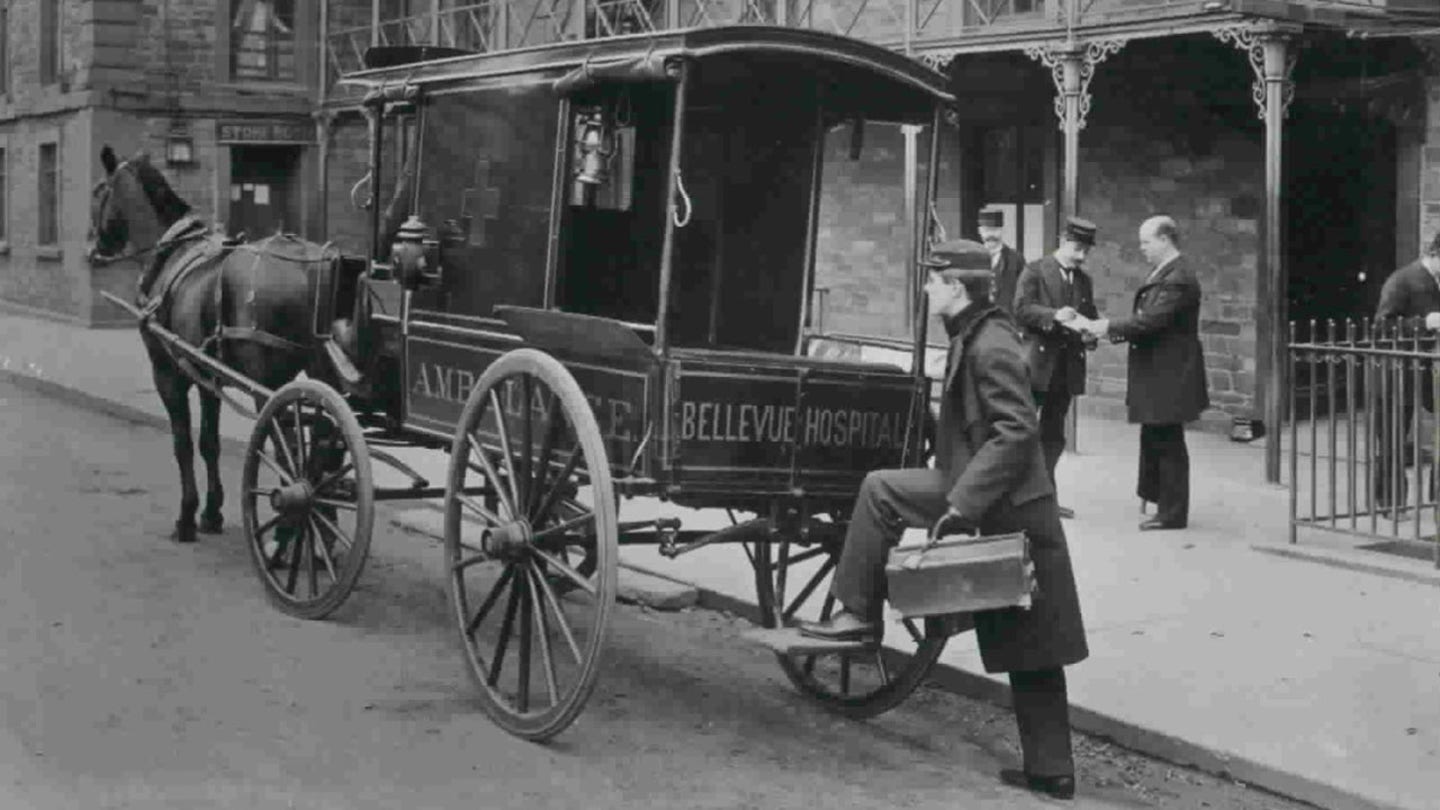
 Image: Bellevue Hospital Horse-Drawn Ambulance (circa 1870s)
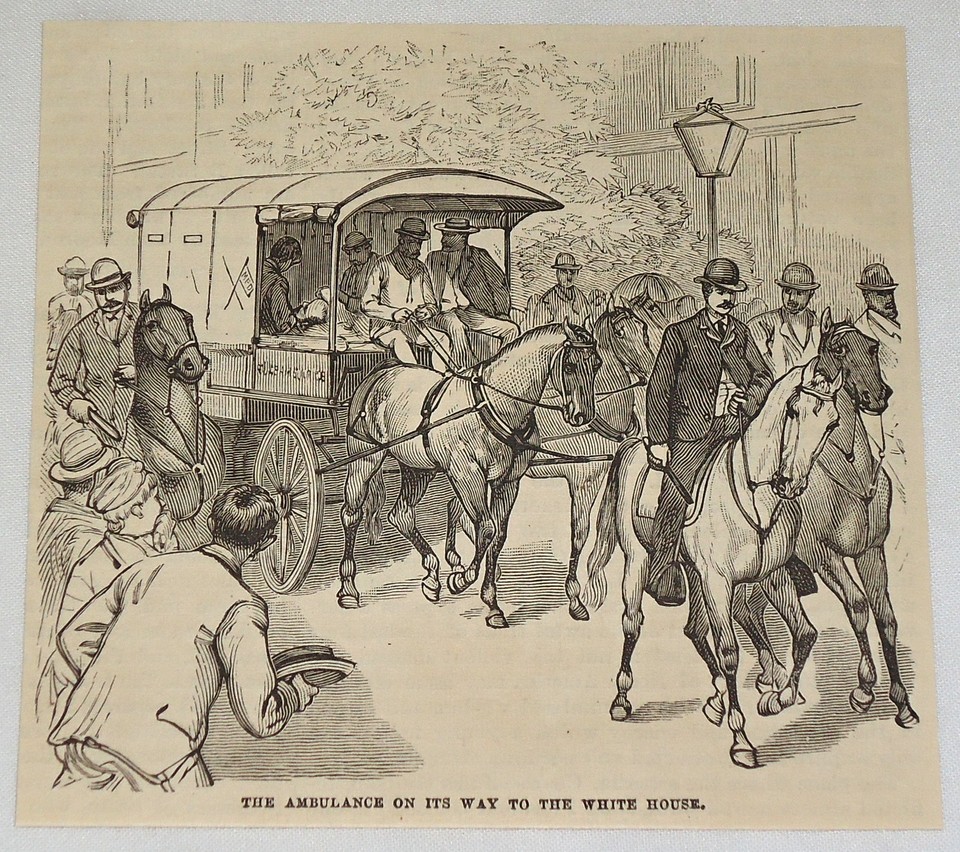 Image: Period depiction of President Garfield's ambulance transport
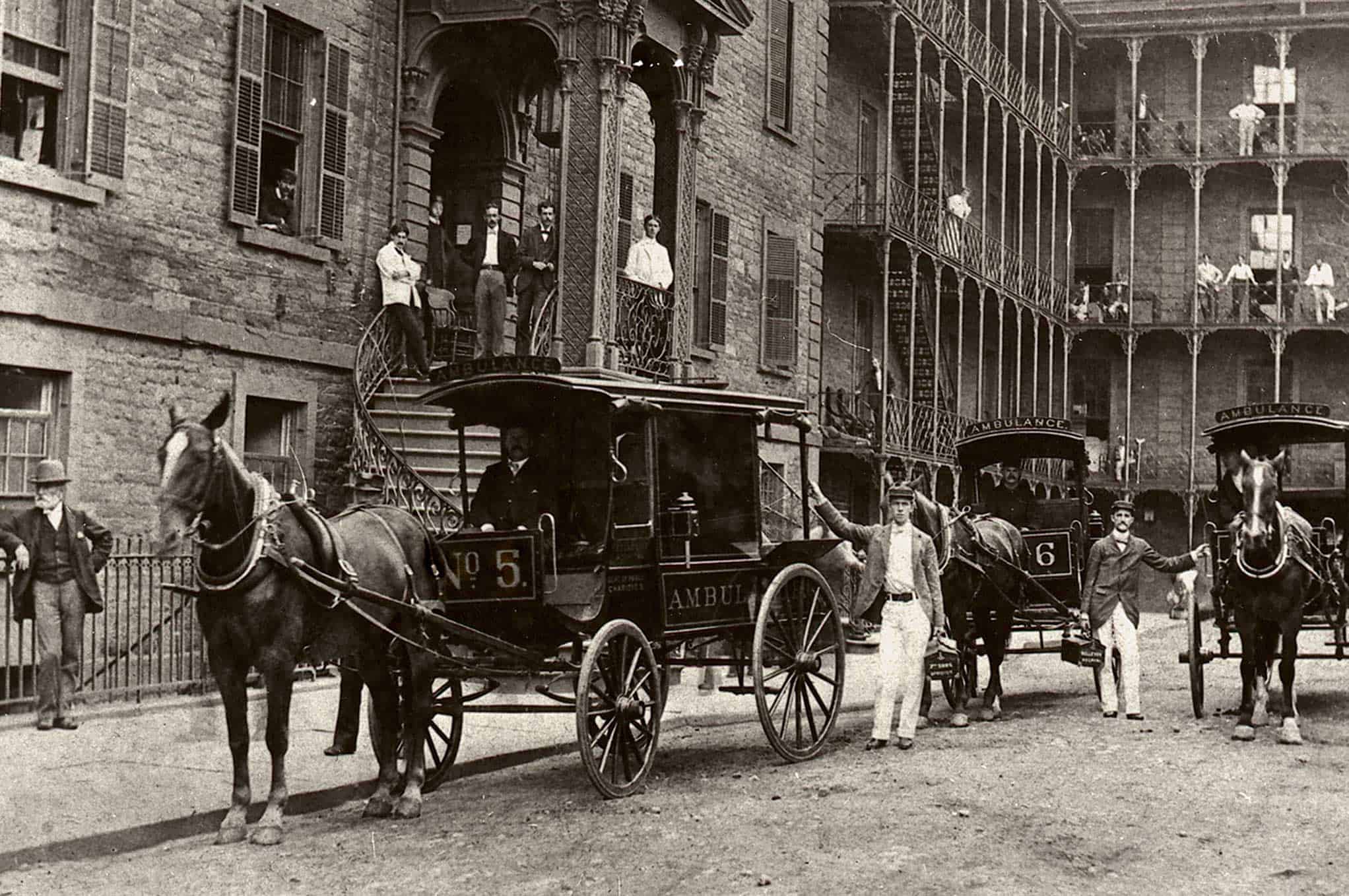


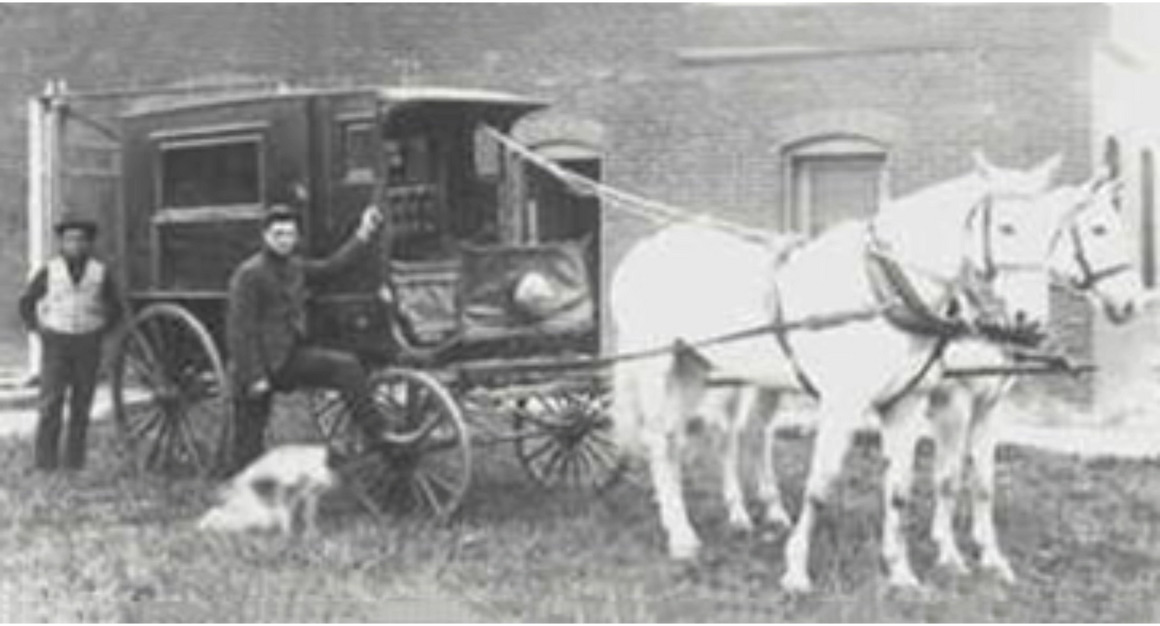

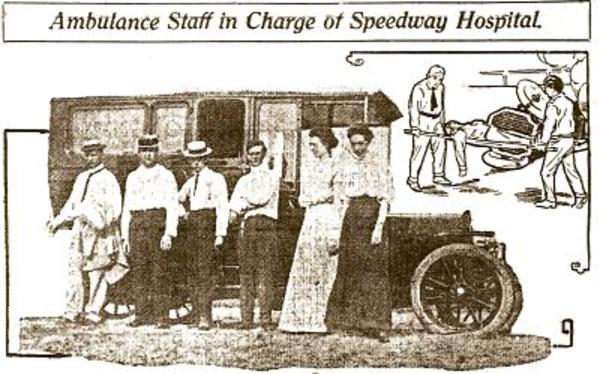 Image: Ambulance at the 1909 Indianapolis Motor Speedway – Source: FirstSuperSpeedway.com