← All Eras
Era 3 of 6 · 1966–1980

Federal Reform & the Birth of Modern Paramedicine

Accidental Death and the federal response

The landmark 1966 white paper triggered federal investment, national legislation, and the creation of paramedic training programs that transformed emergency medicine.

88 documented events
1966 6 events

DOT Queries States: The Roots of “Certification”

In 1966, the U.S. Department of Transportation surveyed states to determine how many ambulance drivers were “First Aid Certified” and how many ambulances carried oxygen or first aid kits. These metrics were later tied to federal funding under the Highway Safety Act of 1966 to increase the number of ambulance drivers with first aid training.

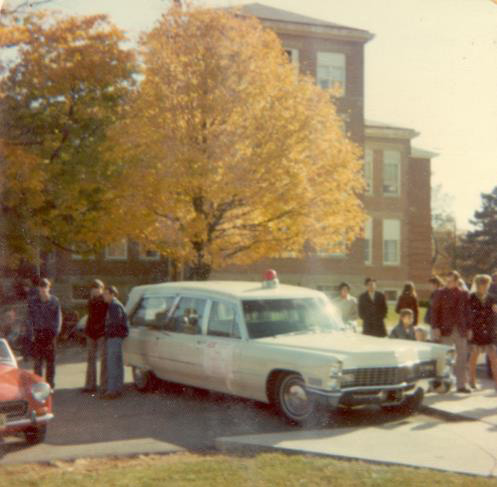
Vintage ambulance with Red Cross symbol
Read more

Significance: This early focus on “certification” helped entrench the term in EMS—even as the profession evolved into a state-licensed medical discipline. Despite widespread use of the term “certification,” any requirement that a state grant permission to practice constitutes a license under the U.S. Constitution's police powers, regardless of title.

View Full-Size Historical Image

Pantridge & Geddes Launch the World's First Mobile Coronary Care Unit

On January 1, 1966, Dr. Frank Pantridge and Dr. John Geddes launched the world's first mobile intensive care unit from the Royal Victoria Hospital in Belfast, Northern Ireland. Equipped with a portable defibrillator powered by car batteries and weighing 70 kg, the unit brought advanced cardiac care directly to patients experiencing myocardial infarction. Their results, published in The Lancet in 1967, demonstrated that out-of-hospital defibrillation was a practical proposition — a finding that ignited the global development of paramedic-based prehospital care.
Read more

Pantridge's concept — that cardiac arrest should be treated where it occurred rather than after hospital admission — was adopted rapidly in the United States and became the direct inspiration for mobile coronary care programs in Miami, Seattle, Los Angeles, and Columbus. He later miniaturized the defibrillator to 3 kg using a NASA capacitor, laying the groundwork for modern AEDs.

National EMS Museum: Prof. Frank Pantridge Archive

The “White Paper” Published

In 1966, the National Academy of Sciences and the National Research Council published the landmark report titled Accidental Death and Disability: The Neglected Disease of Modern Society. Known simply as the “White Paper,” this report exposed the alarming inadequacy of prehospital emergency care in the United States and called for comprehensive reforms in EMS training, systems, communications, and transportation.
Read more

The White Paper directly influenced the passage of the Highway Safety Act of 1966 and the establishment of the U.S. Department of Transportation as the lead federal agency for EMS. It is widely regarded as the birth of the modern EMS movement in the United States.

View source

Emergency Victim Care Instructor Guide

Published by Ohio State University in collaboration with Rocco Morando, the Emergency Victim Care Instructor Guide was among the first comprehensive training manuals designed to prepare individuals in emergency response before the creation of national EMS education standards.
Read more

This guide represented a transitional moment in EMS history—bridging informal, often inconsistent first-aid instruction with the coming wave of standardized prehospital care education driven by federal reform. Rocco Morando would later become the founding executive director of the National Registry of EMTs.

View source

Highway Safety Act Enacted

The Highway Safety Act and the National Traffic and Motor Vehicle Safety Act of 1966 marked a major federal commitment to reducing traffic injuries and deaths. These laws empowered the federal government to establish uniform safety standards for vehicles and state highway programs—shifting the national approach to include not just roads and drivers, but also vehicle design and emergency response systems. This legislation laid the groundwork for federal investment in EMS.
President Johnson signing Highway Safety Act in 1966 image
Read more
1966 6 events

Allied Health Professions Personnel Training Act Signed into Law

On November 3, 1966, President Johnson signed the Allied Health Professions Personnel Training Act (P.L. 89-751), creating the first federal framework for educating and credentialing health professions beyond medicine, dentistry, and nursing. The Act funded construction grants for training centers, curriculum development, and traineeships across 13 allied health fields — establishing the institutional pathway through which physician assistants, physical therapists, respiratory therapists, and eventually EMT-Paramedics would all gain professional recognition. Congress appropriated $3.7 million in the first year. The Act's structure — university-based education, accredited programs, national credentialing — defined the professional model that EMS was built within during the 1970s and that the book argues EMS later abandoned.
Read more

The legislation prompted 13 university deans to form what became the Association of Schools of Allied Health Professions (now ASAHP) in 1967. By 1975, the EMT-Paramedic was recognized by the AMA as an allied health profession under this framework, with the Joint Review Committee on Educational Programs for the EMT-Paramedic (JRC-EMT-P) established through the same accreditation structure — CAHEA — that governed all allied health education. The Act created the professional infrastructure that made paramedicine possible as a healthcare credential rather than a trade certificate.

H.R. 13196 — Congress.gov

Allied Health Professions Personnel Training Act — Legal Information Institute

1967 2 events

Freedom House Ambulance Established

In Pittsburgh’s Hill District, social inequities spark the launch of Freedom House Ambulance, the first paramedic-level service for underserved communities, advancing advanced prehospital care.

Watch the short documentary about the trailblazing EMS team that transformed emergency care and civil rights.

Freedom House Ambulance 1967 Freedom House Ambulance 1967
Read more

North Carolina Passes Ambulance Services Act

In response to the 1966 National Highway Safety Act, the North Carolina General Assembly passed the Ambulance Services Act (Chapter 130, Article 26) in 1967, marking the state’s first regulatory framework for EMS. The law required ambulances to be permitted and equipped to defined standards, and established certification requirements for ambulance attendants. Oversight was given to the State Board of Health, and a nine-member Advisory Committee on Ambulance Service was created, representing hospitals, rescue squads, funeral homes, and medical associations. This committee, now known as the North Carolina EMS Advisory Council, continues to shape EMS policy today.
North Carolina OEMS Historical Overview
1968 4 events

First 911 Call & Mobile Coronary Care Units

In 1968, the first 911 emergency call was placed in Haleyville, Alabama, creating a single, universal number for emergency services in the U.S. That same year, hospitals in cities like Columbus and St. Vincent’s in New York launched Mobile Coronary Care Units (MCCUs), placing advanced cardiac care directly in the field. Together, these developments transformed how the public accessed and received urgent medical care.
Read more

The 911 system would eventually become a national standard for emergency communication. MCCUs laid the foundation for paramedic-level care and were essential in reducing mortality from sudden cardiac events. These innovations marked the beginning of a systems-based approach to emergency medical care.

Watch: 911's First Call – YouTube

National EMS Standards and Ambulance Requirements Published

In 1968, the National Academy of Sciences / National Research Council (NAS/NRC) Committee on EMS issued two landmark publications that shaped the future of prehospital care in the United States. These standards were among the first federal-level efforts to professionalize EMS through clinical training and vehicle design guidance.
Read more
  • EMS Training Guidelines: Guidelines and Recommendations for the Training of Ambulance Personnel introduced a structured curriculum and minimum qualifications for ambulance attendants, laying the foundation for EMT-level training.
  • Ambulance Design Standards: Medical Requirements for Ambulance Design and Equipment established uniform expectations for the configuration, supplies, and capabilities of ambulances to improve safety and clinical effectiveness.

Read 1968 EMS Training Guidelines (PDF)

Read 1968 Ambulance Design Requirements (PDF)

First Collegiate EMS: Cedarville University

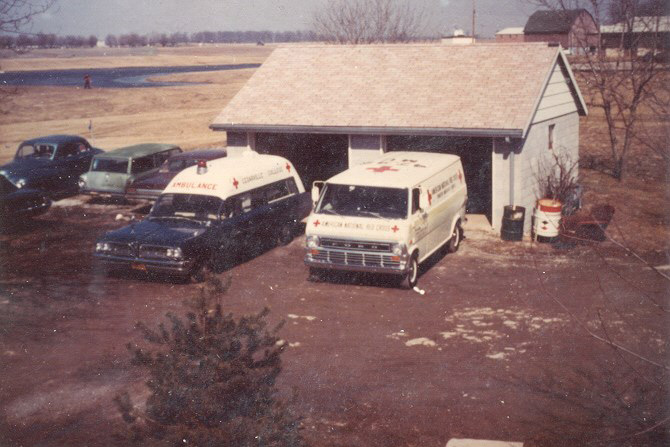
In November 1968, Cedarville College (now Cedarville University) founded the Cedarville College Rescue Squad, becoming the first collegiate-based EMS service in the United States. It was also the first college-based American Red Cross disaster team in the country.

The student-run service laid the foundation for the growth of campus-based EMS programs nationwide.

Learn More:
CUEMS Historical Overview
50th Anniversary Celebration

Cedarville College EMS Ambulance 1960s Cedarville College EMS Ambulance 1960s

LIFEPAK 33: The First LIFEPAK Defibrillator

In November 1968, the LIFEPAK 33 defibrillator was completed and began commercial sales the following year. Developed in just 90 days—earning it the media nickname "90-day wonder"—the LIFEPAK 33 was the lightest defibrillator of its time at 34 pounds. It was named "33" based on the company’s target weight goal. This was the first LIFEPAK-branded defibrillator and marked a significant milestone in portable cardiac care.

LIFEPAK 33 Defibrillator

Image courtesy of the National EMS Museum

1969 9 events

Virginia Tech Rescue Squad Founded

The Virginia Tech Rescue Squad (VTRS) was founded in 1969, becoming the second collegiate-based EMS agency in the United States. Early operations used personal vehicles with privately donated medical supplies. VTRS has since become one of the most advanced and respected collegiate EMS systems in the country.

Learn more: VTRS History – Official Site
Read more

First Successful OHCA Resuscitation & Telemetry-Based Paramedicine in Miami

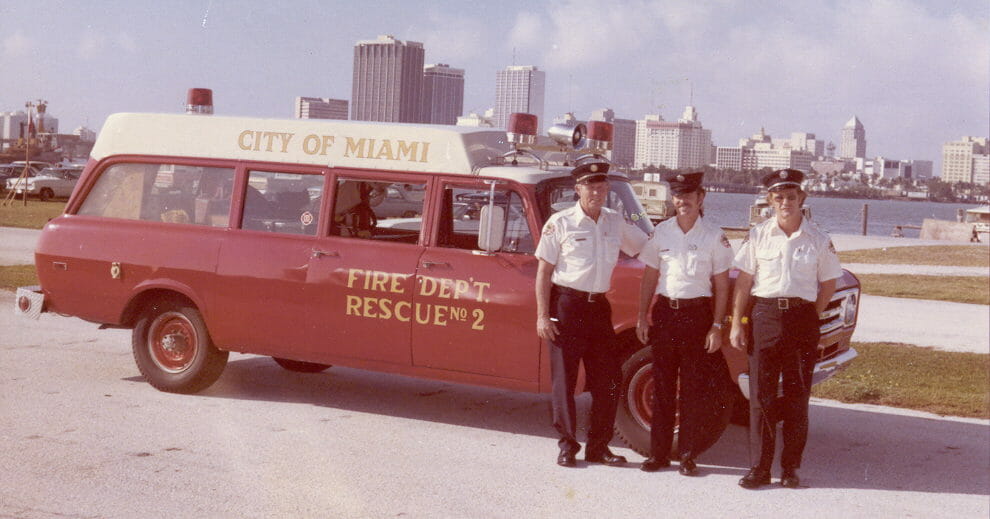
In June 1969, the Miami Fire Department became the first fire department in the United States to successfully resuscitate a lifeless patient in the field using defibrillation. EMS-trained firefighters transmitted an EKG via radio and received live physician authorization from Jackson Memorial Hospital and the University of Miami School of Medicine—demonstrating the potential of prehospital cardiac care.

This breakthrough was made possible by Dr. Eugene Nagel, who had proposed a revolutionary concept in 1964: training firefighters to deliver advanced cardiac care while linked via radio telemetry to hospital physicians. Rejecting physician-only mobile units, Nagel’s approach launched the nation’s first paramedic telemetry system in Miami-Dade, laying the foundation for modern advanced life support (ALS).

Dr. Eugene Nagel and early Miami paramedics Image: Dr. Eugene Nagel and early Miami paramedic team – Source: EMS History

Computer Simulation for Ambulance Placement

In 1969, New York City conducted one of the first known uses of computer simulation to determine optimal ambulance post locations and deployment strategies. The project—funded by the U.S. Department of Transportation—used mathematical modeling to evaluate response times and resource efficiency.
Read more

This early adoption of systems engineering marked a turning point in EMS planning by applying quantitative analysis to public safety operations. The results influenced EMS design in major U.S. cities and contributed to the emergence of operations research as a field within EMS management.

View source (NYC DOT Simulation Report)

National Certification Agency Recommended

President Johnson’s Committee on Highway Traffic Safety urges the creation of a national EMS certification agency, leading to the birth of the National Registry of EMTs.

National EMS Demonstration Projects Begin

The first federal demonstration projects launch alongside the initial EMT curriculum by Dunlap & Associates, standardizing education and operations across regions.

First Mobile Coronary Care Unit – The Heartmobile – Prehospital Intubation Trial

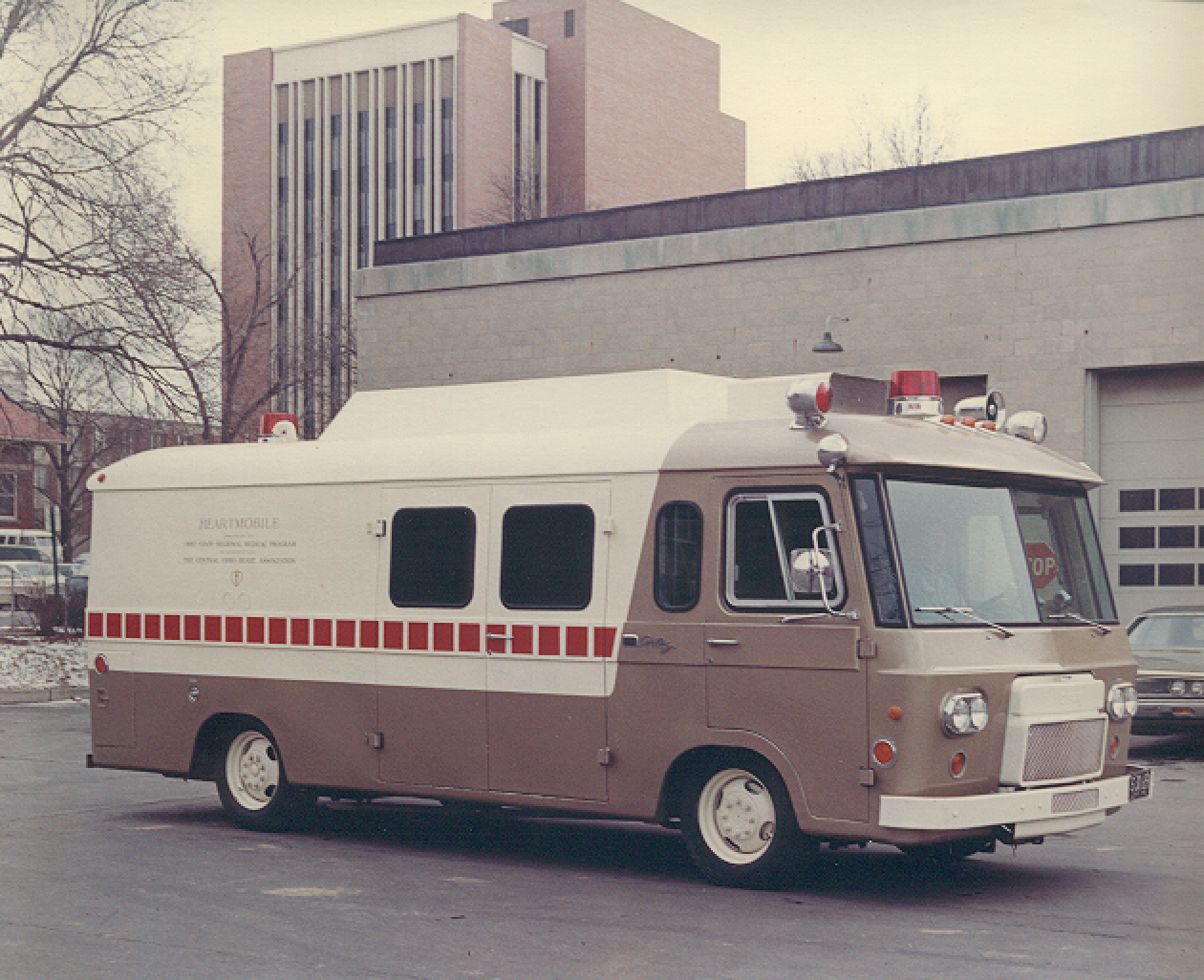
The Heartmobile, launched in Columbus, Ohio in 1969, was the first mobile coronary care unit in the United States. Initially staffed by a physician and Columbus firefighters, it brought hospital-level cardiac care directly to patients. Lessons from the program led to firefighter Medic units being trained in endotracheal intubation under Dr. Bernard C. De Leo of The Ohio State University, achieving an 88% adult and 80% pediatric success rate in the first year.
1969 Heartmobile mobile coronary care unit
Read more

The Heartmobile demonstrated the lifesaving potential of rapid, advanced prehospital care and served as a prototype for modern ALS units. Its airway training program showed that non-physician rescuers could perform advanced interventions with success rates comparable to physicians, influencing paramedic training nationwide.

View 1973 intubation training report (PDF)

Read more from Central Ohio Fire Museum

Launch of Medic One in Seattle

In 1969, Seattle Fire Chief Gordon Vickery partnered with Dr. Leonard Cobb to launch a groundbreaking program aimed at answering two critical questions: Can we save critically ill patients outside of the hospital? and Can non-physicians be trained to provide advanced care under physician oversight? Within two years, Medic One proved that both were possible — revolutionizing prehospital emergency medicine in the United States.
1969 Seattle Medic One vehicle
Read more

Medic One trained firefighters as paramedics capable of delivering advanced life-saving care in the field. This model became a national standard for paramedicine and laid the foundation for formal EMS systems across the country.

Learn more from Medic One Foundation | University of Washington Paramedic Training Program

Edgewater Hospital Launches Mobile Coronary Care Unit

In 1969, Edgewater Hospital in Chicago became the city’s first hospital to inaugurate a Mobile Coronary Care Unit (CCU). Led by Dr. Irwin R. Callen, the program placed a cardiologist and a nurse in an ambulance to treat cardiac emergencies. The team could be dispatched within minutes, loading equipment into a waiting private ambulance or vehicle. This innovative model demonstrated that advanced cardiac interventions could begin at the patient’s side, influencing the evolution of modern prehospital cardiac care.
Edgewater Hospital Mobile Coronary Care Unit, 1969

Credit: Bill Toon, EdD

Read more

Airlie House Conference

In 1969, over 50 national leaders in emergency care, trauma surgery, and public health convened at the Airlie House in Warrenton, Virginia. Hosted by the American College of Surgeons Committee on Trauma (ACS COT), the conference sought to address the fragmentation and underdevelopment of prehospital emergency services nationwide.
Read more

The conference expanded the EMS mission beyond motor vehicle crashes to encompass all types of trauma and medical emergencies. Key outcomes included draft standards for ambulance design, staffing, training curricula, emergency facility preparedness, and administrative oversight. These foundational definitions were later embedded in federal EMS funding criteria and became a blueprint for modern EMS systems.

View source (Airlie House Report)

1970 8 events

First Meeting of the Task Force

On the direction of President Johnson, the American Medical Association Committee on EMS created a task force to explore the creation of a new profession and a 'National Registry' for EMTs.

📄 Read the official meeting minutes (PDF)

MAST Program Launches Helicopter EMS

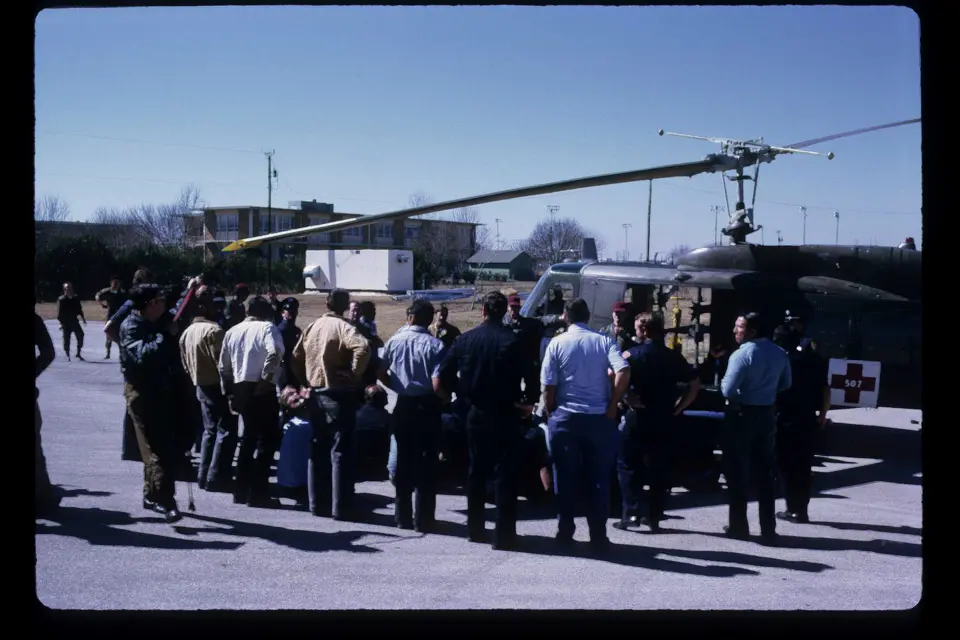
In 1970, the U.S. Departments of Defense, Health, Education, and Welfare, and Transportation partnered to launch the Military Assistance to Safety and Traffic (MAST) program. This initiative leveraged military helicopters to provide rapid aeromedical evacuation for civilian trauma, particularly along highways and in rural areas underserved by ground EMS.
Read more

MAST marked the first large-scale use of military air resources to support public health and emergency response in the civilian sector. Pilot programs at military bases like Fort Sam Houston (TX), Fort Lewis (WA), and Fort Carson (CO) demonstrated significant reductions in transport times and improved trauma outcomes—setting the stage for today’s civilian air medical systems.

View source (EMS History Document)

Registry of Emergency Medical Technicians-Ambulance Formed

In fulfillment of President Lyndon Johnson’s national mandate to improve emergency medical services, the Registry of Emergency Medical Technicians-Ambulance was officially established in 1970. Roddy A. Brandes of Charlotte, North Carolina served as the first chairman. This new organization marked a national step forward in standardizing EMS certification and professionalizing prehospital care.

In 1971, the name was changed to the National Registry of Emergency Medical Technicians (NREMT), and Rocco V. Morando was appointed the organization's first Executive Director, leading the Registry into its modern era.
NREMT Logo

California Enacts the Wedworth-Townsend Paramedic Act

On July 14, 1970, Governor Ronald Reagan signed the Wedworth-Townsend Paramedic Act into law, making California the first state to formally regulate paramedicine. This groundbreaking legislation authorized trained paramedics to provide advanced life support care in the field under physician oversight. The act laid the legal foundation for modern paramedic practice, breaking through traditional barriers that limited prehospital care.
Governor Ronald Reagan signs the Wedworth-Townsend Act
Assemblyman Larry Townsend (left) and State Senator James Q. Wedworth (right) join Supervisor Kenneth Hahn as Governor Ronald Reagan signs the historic bill.
Image Credit: Los Angeles County / JEMS
Read more

First Standardized EMT Training Course Published

The U.S. Department of Transportation’s National Highway Traffic Safety Administration (NHTSA) released the first national training curriculum for EMT-Ambulance in 1970. This foundational course marked a turning point in the standardization of emergency medical care across the United States.
Read more

Dr. J.D. Farrington, a leading advocate for EMS development, served as the primary author of the curriculum. The course was largely adapted from a training program he had developed earlier for the Chicago Fire Department in the 1960s—an early model that proved both practical and scalable for broader national use.

The 1970 curriculum set the foundation for the EMT-Basic level and remains a critical milestone in EMS education and professionalization.

View the Original 1970 EMT Training Curriculum (PDF)

First National Ambulance Design Specifications Published

In 1970, Drs. Walter Farrington, Peter Safar, and Rocco Morando collaborated to publish the first national ambulance specifications, funded by the U.S. Department of Transportation. These guidelines established minimum standards for vehicle size, interior layout, safety features, and essential equipment—paving the way for uniformity in EMS vehicle design across the country.
Read more

This specification report, distributed by the National Academy of Sciences, was foundational in ensuring that ambulances could safely accommodate both patients and providers. It shaped future vehicle certification and procurement policies, emphasizing infection control, space for advanced procedures, and crash survivability.

View source (EMS History Document)

Houston City Council Establishes EMS Under Fire Department

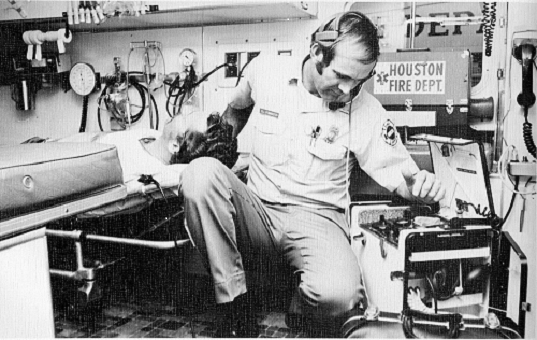
On September 16, 1970, Houston City Council passed Ordinance 70-1518, officially placing emergency medical care under the authority of the Houston Fire Department. This marked a major step in transitioning the city from fragmented private ambulance services to a coordinated, physician-guided public EMS system.
Early Houston EMS paramedics
Read more

Influenced by pioneering efforts in Seattle led by Dr. Leonard Cobb and Dr. Michael Copass, Houston’s transformation was championed by Drs. Ken Mattox, William “Bill” Kolter, Peter B. Fisher, and James “Red” Duke. These physicians played an instrumental role in convincing city officials of the need for a publicly funded, medically directed EMS system.

At the time, Houston’s EMS landscape was dominated by 18 private ambulance companies—many owned by morticians—using repurposed station wagons with limited medical equipment. The ordinance laid the groundwork for professionalized EMS operations, medical training, and integration with the fire department.

Read the full article from Houston History Magazine

First Emergency Medicine Residency Program

In 1970, the University of Cincinnati launched the first formal emergency medicine residency in the United States. Dr. Bruce Janiak became the program’s first resident, marking the beginning of academic training in this emerging specialty. That same year, the University Association for Emergency Medical Services (UAEMS) was established to advance education and scientific collaboration among emergency physicians in academic settings.
1971 2 events

First National EMS Certification Exam Administered

The National Registry of EMTs administered its inaugural exam, evaluating over 1,500 applicants nationwide and establishing a standardized competency assessment.
Read more

AAOS Publishes "Emergency Care and Transportation of the Sick and Injured"

The American Academy of Orthopaedic Surgeons (AAOS) published the first edition of Emergency Care and Transportation of the Sick and Injured, establishing the foundational textbook for EMS education in the United States. Known as “The Orange Book,” it standardized prehospital training nationwide and shaped the modern EMT curriculum. The text continues to evolve through new editions, aligned with national EMS education standards and advances in medical care.
Read more

This landmark publication laid the academic foundation for training a professional EMS workforce and continues to influence EMT instruction today.

View original publication record

1972 10 events

President Nixon Highlights EMS in State of the Union

In his 1972 State of the Union Address, President Richard Nixon acknowledged the staggering toll of accidental deaths—over 115,000 Americans in the previous year—and emphasized the urgent need to improve emergency medical services. He stated:
"Such improvement does not even require new scientific breakthroughs; it only requires that we apply our present knowledge more effectively."
Nixon directed the Department of Health, Education, and Welfare to develop new strategies for organizing EMS and improving prehospital care. His remarks helped elevate EMS to a national policy concern and catalyzed federal support for system development.

President Richard Nixon Image: President Richard Nixon – Source: Constant Contact Archive

Source: UCSB – The American Presidency Project
Source: Hanlon, John J. "Emergency Medical Services: New Program for Old Problem." Health Services Reports, March 1973 (PDF)
Read more

Federal Momentum for EMS

Following the State of the Union reference to EMS by the President, 1972 marked a turning point in the federal government's recognition and exploration of its role in Emergency Medical Services. Multiple studies, publications, and policy documents were released that laid the groundwork for coordinated EMS support and regulation at the national level.
Read more

Together, these publications reflected a growing consensus that EMS could no longer be left to fragmented local efforts and required structured, sustained federal involvement.

Flight For Life Colorado: First Hospital-Based Air Ambulance

Flight For Life Colorado was founded in 1972 by St. Anthony Hospital, marking the launch of the first civilian, hospital-based medical helicopter program in the United States. Designed to deliver critical care transport across the rugged terrain of the Rocky Mountains, the program pioneered modern aeromedical services for civilian use.

Serving an eight-state region, Flight For Life Colorado has transported tens of thousands of patients since its inception. It remains a model of hospital-based critical care aviation and a landmark in EMS innovation.

Illinois Statewide EMS Plan by Dr. David Boyd

In 1972, trauma surgeon Dr. David R. Boyd authored the Illinois Statewide EMS Plan, laying out a comprehensive vision for a coordinated, systems-based approach to emergency medical services and trauma care. This pioneering plan became a national model, emphasizing integrated care delivery, data systems, training, and trauma center designation.
Dr. David R. Boyd – EMS Visionary
Read more

Dr. Boyd’s leadership in Illinois helped inspire the development of regional EMS systems across the country. His approach laid the foundation for future federal EMS initiatives, including his later work as the first Director of the Division of Emergency Medical Services at NHTSA.

View full Illinois EMS Plan (PDF)

The Illinois demonstration received the largest federal contract ($4.0 million) among the five sites selected in 1972, tasked with expanding the existing trauma system into a statewide total emergency medical services system. While Illinois was considered among the most successful demonstration sites, its heavy dependence on centralized executive leadership proved a vulnerability when its director departed.

Source: Hanlon, "Emergency Medical Services: New Program for Old Problem," Health Services Reports, 1973 (PDF)

Source: Gibson, "Emergency Medical Services," Proceedings of the Academy of Political Science, 1977 (PDF)

Read more about Dr. David Boyd

EMS Recognized as Allied Health

In a landmark 1972 paper published in the journal Anesthesia and Analgesia, Dr. Peter Safar called upon the broader medical community to formally recognize Emergency Medical Services (EMS) personnel as Allied Health Professionals. His appeal advanced the professional legitimacy of EMS within the healthcare system and supported national certification efforts.
Dr. Peter Safar – EMS Advocate
Read more

Safar’s vision positioned EMS clinicians as an integral part of the medical continuum, not merely as transporters. His work helped accelerate academic and institutional recognition of the paramedic profession in the 1970s and beyond.

Read the original publication (PDF)

NREMT Partners with U.S. Army: Project VEHTS

In 1972, the National Registry of Emergency Medical Technicians (NREMT) partnered with the U.S. Army to launch Project VEHTS (Veterans Emergency Health Training System). This initiative marked the beginning of a long-standing collaboration between the military and NREMT, allowing Army medics to earn civilian EMT-Ambulance certification. The first certified class was conducted at Fort Bragg, bridging the gap between battlefield and civilian emergency care.

Emergency! Television Series Debuts

On January 15, 1972, NBC premiered Emergency!, a groundbreaking television series dramatizing the Los Angeles County Fire Department's paramedic program. Created by Jack Webb and starring Randolph Mantooth and Kevin Tighe, the show ran for six seasons and helped catalyze public and political support for EMS development across the United States.
Emergency! cast photo, 1973
Read more

The show introduced millions of viewers to the concept of paramedicine, helping drive legislation and expand EMS programs nationwide. Following the series finale in 1977, six made-for-TV movies aired through 1979.

View on IMDb

President Johnson Suffers Heart Attack, Virginia EMS Responds

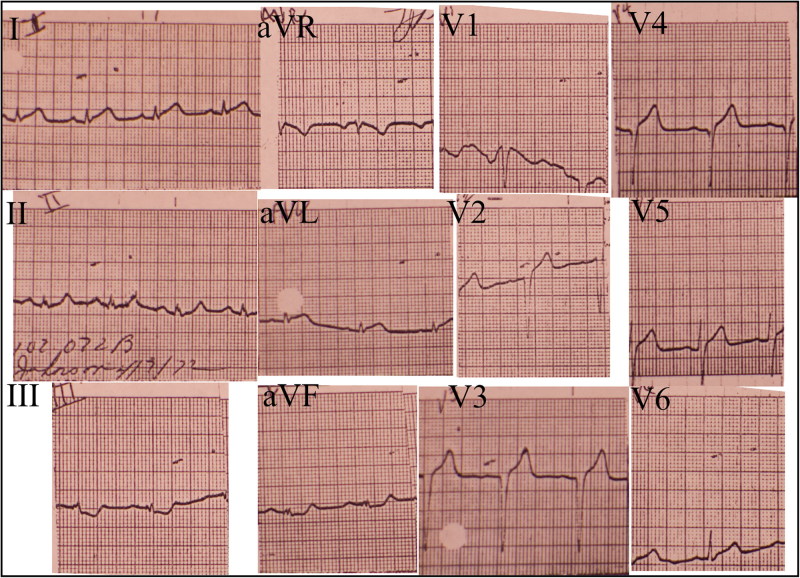
President Lyndon B. Johnson In April 1972, former U.S. President Lyndon B. Johnson suffered a heart attack at his ranch near Charlottesville, Virginia. Volunteer EMTs from the Charlottesville–Albemarle Rescue Squad, including Nathaniel P. Rogers, responded to the call and utilized their new LifePak 33 defibrillator to obtain a 12-lead electrocardiogram (ECG) in the field. He was then treated under the direction of Dr. Richard S. Crampton at the University of Virginia.

The irony was powerful: the very EMS system Johnson had helped create through federal funding and national policy during his presidency was now saving his life. His successful out-of-hospital treatment became a defining moment for mobile cardiac care and helped drive national momentum for defibrillator-equipped ambulances and organized EMS systems. 12-lead ECG from President Johnson

Sources:
Smithsonian Magazine
BBC News
Firsthand Account – National Library of Medicine

EMS Magazine (Now EMS World) Established

Emergency Medical Services (EMS) Magazine debuted in November 1972, founded by Deborah Carver and Carol Summer in California's San Fernando Valley. Launched just six years after the modern EMS system began to take shape, the magazine aimed to provide professional insight, foster identity, and advocate for the field of prehospital care.

Dr. Eugene Nagel, a pioneer of paramedic telemetry, served on the initial editorial board and contributed a monthly column. His provocative writing—such as questioning the need for SWAT paramedics—sparked early debates about EMS roles, influencing discourse around the profession’s evolving identity.

Source: EMS World – Four Decades of Service

EMT-Dispatcher Course Developed

In 1972, the U.S. Department of Transportation published the first Emergency Medical Technician – Dispatcher curriculum. This initiative aimed to professionalize emergency dispatch operations by training personnel in medical triage, communication protocols, and coordination with field responders. It marked the beginning of formal prehospital dispatcher education as a critical link in the chain of survival.
1973 9 events

Motorola Introduces the Minitor I Pager

Motorola began production of the Minitor I—the first portable dispatch-activated voice and tone pager designed specifically for fire and EMS services. Released in 1973, the Minitor I had a battery life of about 6 to 8 hours and weighed nearly a pound. Its introduction transformed emergency communications by enabling personnel to be alerted remotely without needing to stay at the station.
Source: YouTube – Minitor I History

EMS Systems Act Passed

In 1973, Congress passed the Emergency Medical Services Systems Act (Public Law 93-154), marking the first major federal investment in building EMS infrastructure across the United States. The Act funded the planning and development of over 300 regional EMS systems, promoting standardized care, communication, transportation, and training nationwide.
Read more

The legislation established 15 required components of a comprehensive EMS system—including manpower, training, communications, transportation, trauma care facilities, public safety agencies, and consumer participation. It helped transform fragmented local responses into coordinated systems with regional medical control.

The Act authorized up to $185 million for planning, creation, and expansion of EMS systems. Unlike the Highway Safety Act of 1966, which made grants available only to states, the 1973 Act specified that states, local governments, public entities, and nonprofit private entities were all eligible for direct funding. First-year grants required 50-50 matching; subsequent grants required 75% nonfederal contribution. Congress defined an EMS system in terms of fifteen specific functions and treated all fifteen as mandatory.

President Nixon initially vetoed the legislation, arguing for a continued limited federal demonstration role. The Senate overrode, but the House sustained the veto. Congress reintroduced and Nixon signed P.L. 93-154 on November 16, 1973. The Act passed less than one year into the five-site demonstration phase launched by Nixon's own 1972 Health Message — before demonstration results were available.

View source (EMS History PDF)

Source: Gibson, Geoffrey. "Emergency Medical Services." Proceedings of the Academy of Political Science, 1977 (PDF)

Source: Hanlon, John J. "Emergency Medical Services: New Program for Old Problem." Health Services Reports, March 1973 (PDF)

NREMT Trademarks the Star of Life Symbol

In 1973, the National Registry of Emergency Medical Technicians (NREMT) officially trademarked the "Star of Life," the six-pointed blue star bearing the Rod of Asclepius, designating it as the universal emblem for emergency medical services. This trademark helped solidify the symbol's identity, unifying EMS providers under a single, internationally recognized logo.
Star of Life trademark image
Read more

The trademark granted legal protection to the Star of Life design, ensuring consistent use by licensed EMS personnel and agencies. It reinforced the symbol’s role in public recognition and trust in EMS care.

View USPTO trademark status

Star of Life NREMT Logo Trademark, 1973 (PDF)

Emergency Health Services Digest, 1973 (PDF)

Seattle Medic One Paramedic Course Design

In 1973, Dr. Leonard Cobb and the Seattle Fire Department’s Medic One program launched an Advanced Life Support (ALS) training program for paramedics. The course design was ahead of its time—comprehensive, clinically rigorous, and closely aligned with the scope of modern paramedic education modules. This pioneering effort became a national model for prehospital emergency cardiac care and paramedic education.
Read more

Physicians Advocate for EMS

In 1973, a series of groundbreaking publications by physician-leaders laid the intellectual and clinical foundations of modern Emergency Medical Services. These works challenged the fragmented state of ambulance care and called for structured, medically directed systems.
Read more
  • Transporting Lazarus: Physicians, the State, and the Creation of the Modern Paramedic and Ambulance, 1955–73
    This in-depth historical analysis explores how physicians and state agencies reshaped emergency care in the postwar era, establishing the foundation for today’s paramedic systems.
    Read full text (PDF)
  • Elements of a Comprehensive Emergency Medical Services System by Dr. Benson
    This article proposed a systems-based approach to EMS, defining the core components of an integrated, regional emergency care infrastructure.
    Read full article (PDF)
  • The Seven Years’ War by Dr. J.D. “Deke” Farrington (Scudder Oration on Trauma)
    Farrington’s oration captured the fierce battles waged to legitimize trauma care as a specialty, and to elevate EMS as a medical—not merely logistical—discipline.
    Read full oration (PDF)

Transporting Lazarus: Physicians and EMS, 2013 retrospective (PDF)

Maryland Creates First Statewide EMS System

In 1973, Maryland Governor Marvin Mandel issued an executive order creating the nation’s first comprehensive statewide EMS system. The order established two key entities: the Division of Emergency Medical Services (DEMS) within the Maryland Department of Health and Mental Hygiene, and the Maryland Institute for Emergency Medicine (MIEM) at the University of Maryland Hospital. Spearheaded by trauma visionary Dr. R Adams Cowley, this model became a national benchmark for coordinated EMS and trauma systems.

1970 Aeromedical Innovation: Preceding the statewide system, Maryland State Police conducted the first aeromedical evacuation in 1970 under Dr. Cowley’s guidance, integrating air transport into EMS delivery and advancing the "Golden Hour" trauma care principle.

View source (MIEMSS History)

National Event

President Nixon Vetoes the First EMS Systems Bill

On August 1, 1973, President Nixon vetoed S. 504, the initial Emergency Medical Services Systems Act, arguing that EMS was a state and local responsibility and that federal involvement should be limited to demonstration projects. The Senate voted to override the next day, but the House sustained the veto on September 12. Congress then reintroduced the legislation as S. 2410, which Nixon signed into law on November 16, 1973, as P.L. 93-154.
Read more

The veto and its political fallout underscored the fragility of federal support for EMS — a tension that would resurface in 1981 when EMS categorical funding was absorbed into block grants under OBRA. The episode demonstrated that national EMS policy required sustained congressional advocacy to survive executive resistance.

Presidential veto message (American Presidency Project)

EMS Included in Federal Health Workforce Report for the First Time

The National Center for Health Statistics published its annual Health Resources Statistics report, which for the first time included Chapter 39: Ambulance Services. This marked the first formal recognition of EMS personnel and services within the federal government's official catalog of the U.S. healthcare workforce — a field that had previously been absent from national health workforce accounting.
Read more

The report described ambulance services, EMTs, and the growing patchwork of state laws governing emergency response. Its inclusion signaled that EMS had begun to be viewed as part of the healthcare system rather than simply a transportation function. The report also provided an early federal definition of licensure that would inform subsequent state EMS regulatory frameworks.

America Burning Spurs Creation of U.S. Fire Administration

The landmark 1973 report America Burning documented the devastating toll of fire in the United States and called for sweeping reforms in fire prevention, education, and emergency response. In response, Congress established the United States Fire Administration (USFA) to lead national efforts in fire safety, data collection, and firefighter training.
Read more

Although focused on structural fires, the report emphasized the urgent need to modernize emergency services—including emergency medical care—and catalyzed long-term federal support for EMS development through fire-based delivery systems.

Read full report (PDF)

1974 5 events

EMS Program Established at DHEW

The U.S. Department of Health, Education, and Welfare (DHEW) formally established an EMS Program to guide the national development of Emergency Medical Services. This initiative provided grant funding, technical assistance, and policy direction to states building coordinated EMS systems.
Read more

The program was a critical step in shaping modern EMS infrastructure, encouraging a systems-based approach and setting minimum standards for ambulance services, training, communication, and trauma care.

View the 1974 DHEW EMS Program Guide (PDF)

DHEW Emergency Medical Services Systems Guide (PDF)

EMS Bibliography, 1974 (PDF)

Public Health Reports on EMS, 1974 (PDF)

Safar Appointed by President Nixon (PDF)

State Laws for EMTs, 1974 (PDF)

Foresight: EMS Planning, 1974 (PDF)

San Antonio’s First Paramedic Class Graduates

On March 1, 1974, the San Antonio Fire Department graduated its first class of 55 paramedics under the medical direction of Dr. Charles Rockwood, MD. Prior to establishing the program, Dr. Rockwood traveled to observe Freedom House Ambulance training and met with Dr. Peter Safar. His pioneering experience helped shape national EMS education—he later became a co-author of the original AAOS Orange Book and contributed to the 1977 National Standard Curriculum for EMT-Paramedic.
View photo slideshow and article
San Antonio Fire Department EMS training San Antonio paramedic graduation
Read more

Accreditation: The AMA View

The American Medical Association (AMA) published a foundational document outlining the origins, structure, and role of programmatic accreditation in allied health education. For EMS to be formally recognized as an allied health profession, EMS education programs had to be accredited through the same rigorous standards applied to all other health professions.
Read more

This document marked a turning point in the professionalization of EMS, setting the stage for national educational standards, institutional accountability, and federal recognition of EMS as a legitimate healthcare profession.

View the 1974 AMA Accreditation Guide (PDF)

First National EMS Week

In 1974, President Gerald Ford authorized the first National Emergency Medical Services (EMS) Week to recognize the critical role of EMS professionals in public health and safety. The inaugural observance was held in November, highlighting the importance of prehospital care providers across the United States.
Read more

In subsequent years, EMS Week was moved to the third week of May to better align with National Hospital Week and improve visibility for community engagement. Today, EMS Week serves as a nationwide celebration honoring EMTs, paramedics, and other EMS clinicians who deliver lifesaving care around the clock.

View source (EMS History PDF)

Indiana EMS Commission Established by State Legislature

In 1974, the Indiana General Assembly created the Emergency Medical Services (EMS) Commission to develop and oversee a statewide system ensuring all Hoosiers receive timely and adequate emergency care.
Indiana EMS Commission Logo
Read more

The Commission’s statutory duties include regulating EMS services, certifying personnel, inspecting ambulances and facilities, coordinating emergency communications, and supporting public education in first aid and safety.

Composed of 13 members appointed by the Governor, the Commission represents a diverse cross-section of Indiana’s EMS landscape — from volunteer responders to hospital leaders to members of the public.

This early model of coordinated EMS governance helped position Indiana as a leader in structured, accountable prehospital care during the formative years of national EMS development.

Learn More About Indiana EMS History

May 1975 1 event

International Conference on Remote EMS Held at NASA Johnson Space Center

The International Conference on Remote Emergency Medical Services convened in Lubbock, Texas, co-hosted by NASA's Johnson Space Center and Texas Tech University. The event brought together experts in medicine, engineering, and federal leadership to explore how emerging technologies could extend emergency care to underserved and remote regions.
1975 Remote EMS Conference at NASA Johnson Space Center
Read more

Topics included satellite-aided communications, biomedical telemetry, rural dispatch coordination, and system evaluation. Presenters like Dr. Harris B. Graves and Dr. Thomas R. Willemain emphasized the importance of performance metrics, professional training, and regional planning in EMS system design.

Telehealth is not a new concept: This 1975 conference showcased federal and academic leaders advocating for remote consultation, early ECG telemetry, and voice-guided prehospital care—decades before modern digital telehealth became mainstream.

Read Full Conference Proceedings (PDF)

1975 5 events

Second Annual EMS Week – National Recognition Grows

The second annual Emergency Medical Services (EMS) Week was celebrated in 1975, receiving formal acknowledgment from the White House. President Gerald Ford issued a national press release recognizing the vital contributions of EMS professionals across the country.
Read more

This public endorsement from the Executive Branch helped elevate EMS in the eyes of the public and policymakers, reinforcing its role as an essential component of the nation’s healthcare and emergency preparedness infrastructure.

Read the 1975 White House EMS Week Press Release (PDF)

ACEP: Problems in EMS, 1975 (PDF)

House Hearings and Reports on EMS, 1975 (PDF)

EMS Economics in Rural America

A 1975 federal report titled “Economic Feasibility of Emergency Medical Services in Rural Areas” formally acknowledged the financial instability of EMS systems in rural communities. It called attention to inadequate funding models and the hidden costs of delivering timely prehospital care in sparsely populated regions.
Read more

This report became one of the earliest federal acknowledgments that rural EMS systems could not be sustained solely through user fees or volunteerism. It laid the groundwork for future policy discussions on public subsidy, reimbursement reform, and rural healthcare equity in emergency response.

View source (EMS History PDF)

National Association of EMTs (NAEMT) Founded

In 1975, the National Registry of EMTs (NREMT), recognizing the need for a unified voice for EMS professionals, helped establish the National Association of EMTs (NAEMT). The organization was created to serve as the national professional association representing EMTs, paramedics, and other prehospital providers.
NAEMT Logo
Read more

NAEMT has since played a critical role in advocating for EMS education, reimbursement, mental health support, and national recognition of EMS clinicians as healthcare professionals. Its formation helped catalyze a more coordinated and professional EMS identity across the U.S.

EMT-Paramedic Recognized by AMA

In 1975, the American Medical Association’s Council on Medical Education formally recognized the EMT-Paramedic as an allied health professional at the request of the National Registry of Emergency Medical Technicians. This historic recognition legitimized paramedics within the national healthcare framework, advancing EMS as a vital component of modern medicine.
Read more

This recognition allowed EMS educational programs to be included in national accreditation pathways and catalyzed the creation of structured paramedic curricula across the United States. It marked the first time that advanced prehospital care was fully accepted within organized medicine.

View source (EMS History PDF)

Freedom House Ambulance Service Closed — National Paramedic Standard Born from Program's Destruction

On October 15, 1975, Pittsburgh Mayor Peter Flaherty shut down the Freedom House Ambulance Service, replacing it with a city-run bureau initially staffed entirely by white paramedics. The program that had trained unemployed Black men from the Hill District to deliver physician-directed advanced life support — saving 200 lives in its first year, pioneering the ambulance design NHTSA adopted as the national standard, and producing the curriculum the federal government adopted as the first national paramedic training program — was eliminated after years of budget cuts, siren bans, and contract restrictions by a hostile city administration.
Read more

Dr. Nancy Caroline, Freedom House's medical director, negotiated hiring of the Freedom House paramedics into the replacement service — but their crews were broken up, those with criminal records were fired, and pass/fail exams covering untaught material forced out many more. Of 26 who transferred, only five remained long-term; by the late 1990s, Pittsburgh's EMS bureau was 98% white. Caroline's Emergency Care in the Streets, written for Freedom House, became the foundational paramedic textbook used worldwide. The program's destruction while its innovations were simultaneously adopted nationally remains one of the defining contradictions in American EMS history.

The First Responders — Atavist Magazine

Freedom House Ambulance Service — Wikipedia

The First Responders — The Atavist Magazine (PDF)

1976 9 events

White House Conference on EMS with President Ford

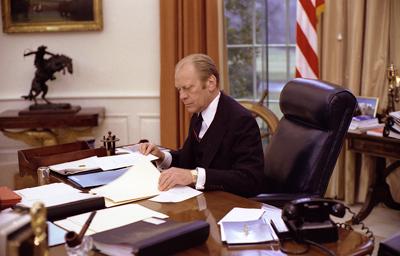
On January 6, 1976, President Gerald R. Ford hosted a White House Conference on Emergency Medical Services, bringing national attention and federal momentum to EMS development. Leaders from medical, fire, transportation, and community organizations convened to discuss best practices, financing, and system design—solidifying the role of federal leadership in supporting local EMS systems.
President Ford at 1976 White House EMS Conference

President Gerald R. Ford addresses EMS leaders at the White House Conference, January 6, 1976.
(Photo: Gerald R. Ford Presidential Library)

Read more

LIFEPAK 5 Released – Compact Defibrillator Innovation

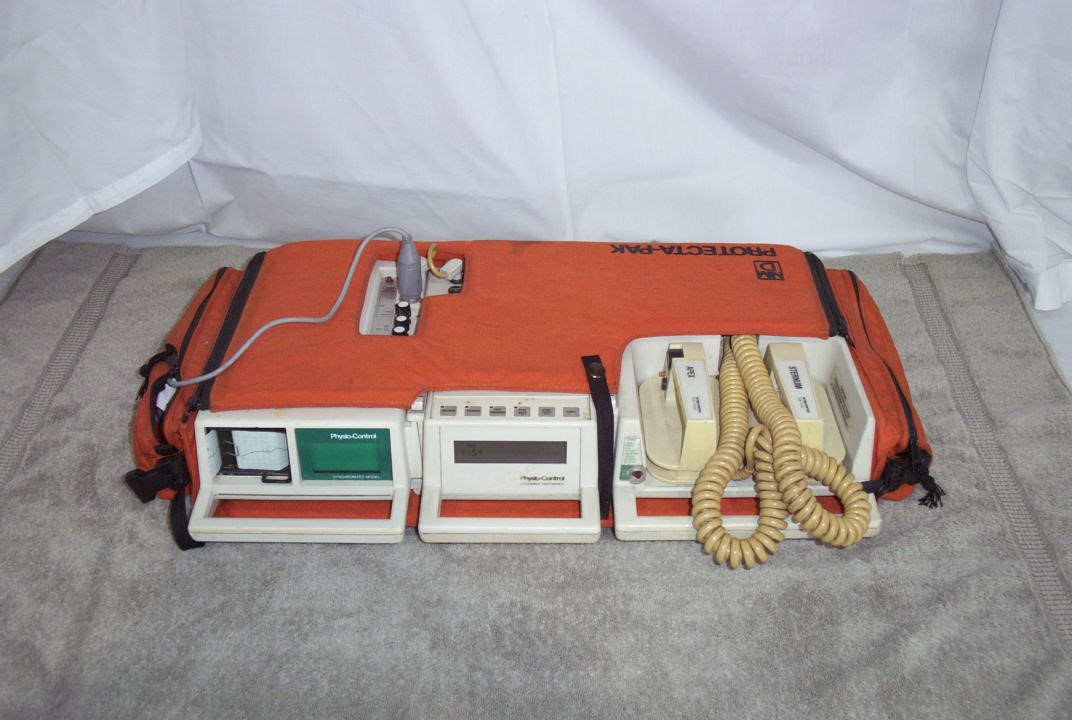
The LIFEPAK 5 was introduced in 1976, representing a major advancement in portability and prehospital cardiac care. Weighing just 5 pounds and 19 ounces, the LIFEPAK 5 was significantly lighter than its predecessors and helped make defibrillation more practical in the field. It also introduced digital recording capabilities that enhanced clinical documentation and review.

LIFEPAK 5 Defibrillator

Image courtesy of the National EMS Museum

Interstate EMS Consortium Formed

In 1976, Pennsylvania, Maryland, and West Virginia formed the Interstate EMS Consortium to address the operational challenges of cross-border emergency medical care. This early collaboration recognized the mobile nature of EMS and the need for personnel and systems to coordinate across state lines.
Read more

Although not a formal interstate compact, this agreement marked one of the earliest documented efforts to promote EMS workforce mobility and interstate coordination. It foreshadowed future innovations like the EMS Compact and highlighted the unique regulatory challenges of delivering care without regard to jurisdictional borders.

View source (EMS History PDF)

Life Flight Founded by Dr. James “Red” Duke

Dr. James “Red” Duke, a legendary trauma surgeon, established Memorial Hermann Life Flight in Houston, Texas, marking one of the earliest civilian air ambulance programs in the United States. Launched as the second air medical program in the nation, Life Flight brought rapid trauma response and transport to a growing metropolitan region.
Read more

Life Flight revolutionized emergency trauma care in Texas by integrating advanced medical support with rotary-wing transport. Dr. Duke’s vision helped shape the future of prehospital trauma care and set a precedent for hospital-based helicopter EMS systems across the country.

Dr. Duke was also a beloved public educator, bringing awareness to injury prevention and emergency care through nationally syndicated medical broadcasts.

Learn more about Life Flight

First Comprehensive History of EMS Published

In 1976, several of the most influential voices in emergency medicine co-authored the landmark publication, “History of Emergency Medical Services in the United States.” This document captured the rapid evolution of EMS following World War II and the early legislative and clinical developments of the 1960s and 1970s.

Authored by Dr. Charles A. Rockwood Jr., Colleen M. Mann, Dr. J.D. “Deke” Farrington, Dr. Oscar P. Hampton Jr., and Dr. Robert E. Motley, the paper became a foundational reference for EMS scholars and policymakers.
Read more

At the time of publication, Dr. Farrington was Chair of the National Registry of EMTs, Robert Motley led the Office of EMT at NHTSA, and Dr. Rockwood served as Medical Director for the San Antonio Fire Department. Their collaboration reflected a growing national consensus on the need to professionalize and standardize EMS across the United States.

View Publication (PDF)

Regional EMS Systems

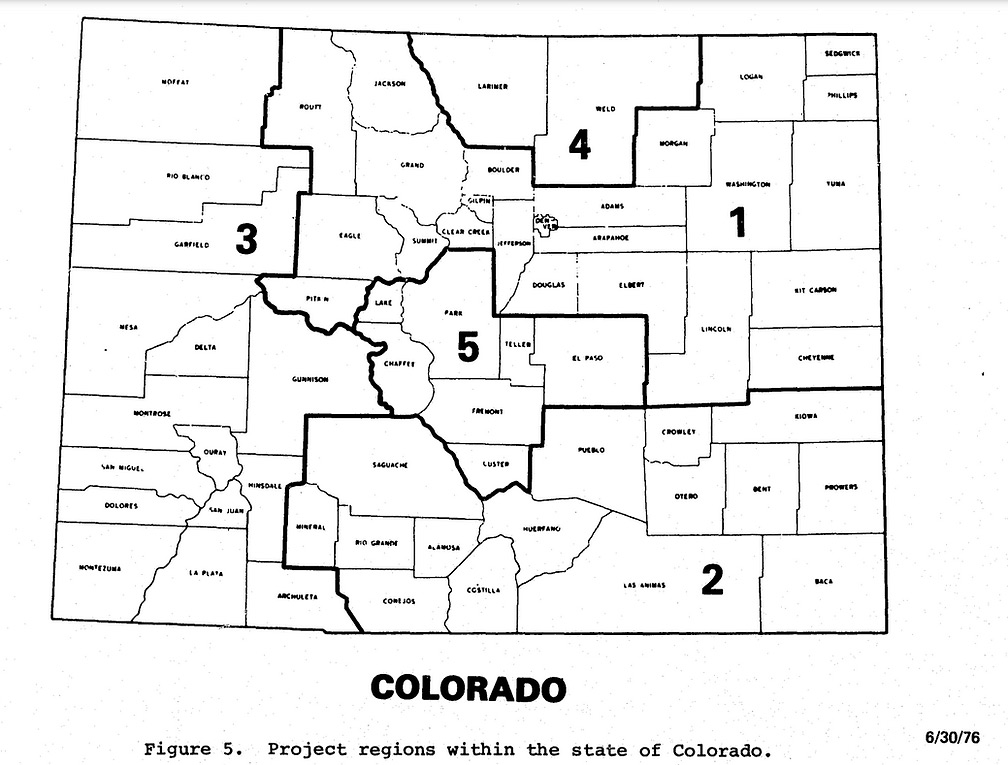
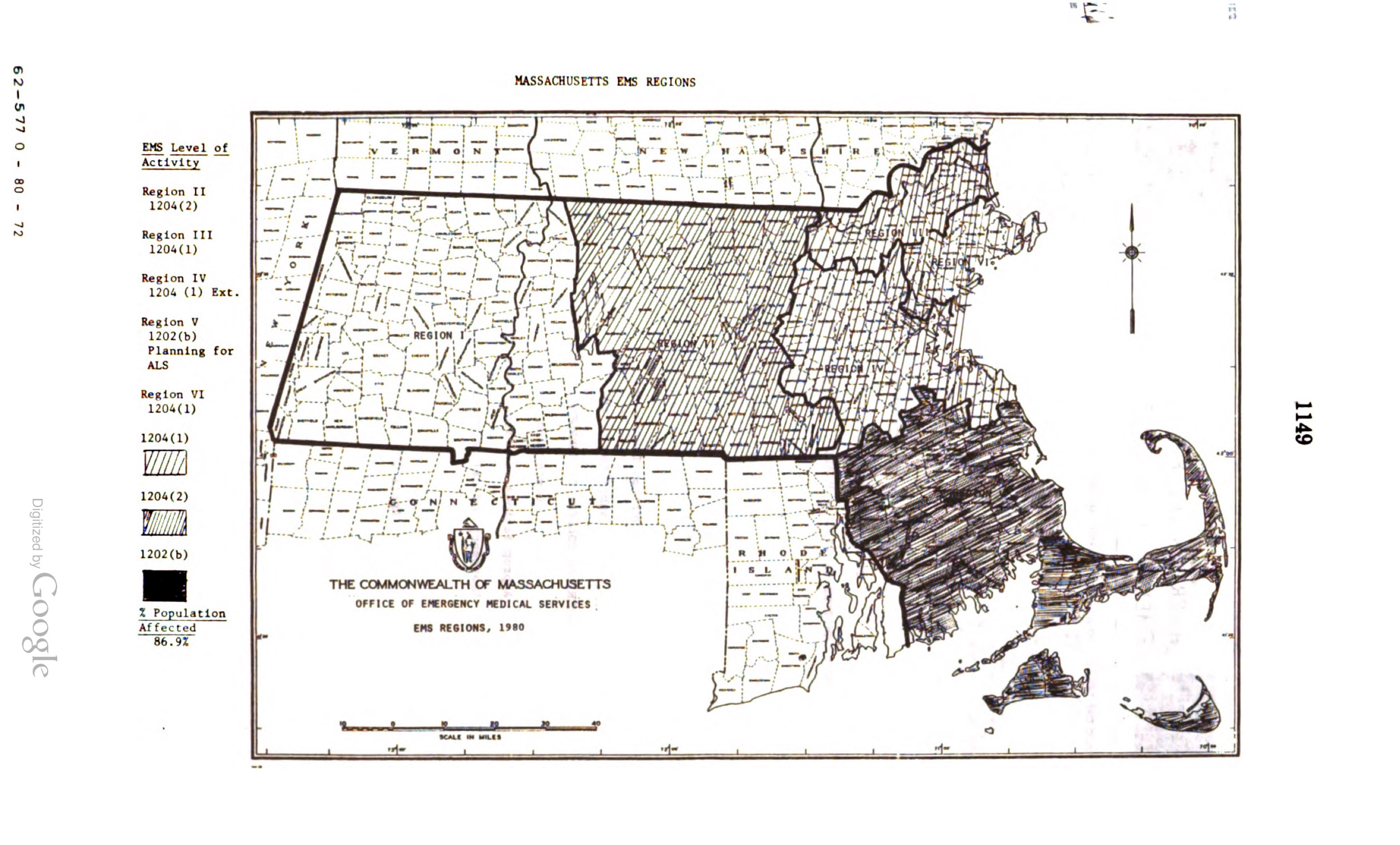
The Department of Health, Education & Welfare planned to implement 300 regional EMS systems across the United States. Initial pilot project states included Colorado, Massachusetts, and Virginia — all of which continue to have strong regional approaches to EMS today. The regional mandate ended in 1980 as federal funding for the initiative expired.
1973 National Regional EMS Systems Plan Map
Colorado Regional EMS Plan Map
Massachusetts EMS Region Map
Read more

These systems aimed to promote coordinated EMS delivery tailored to local needs. Their structure still influences EMS administration in many states today.

Ultimately, 304 EMS regions were established nationwide. By 1979, 17 regions were fully functional and independent of federal money. However, of the 304 geographic areas, there were 22 that had no activity and 96 that were still in the planning phase.

View the original 1970s Regional EMS Plan (PDF)

Nationwide EMS Abstracts Document Innovations

The U.S. Department of Health, Education & Welfare compiled and published more than 200 abstracts documenting innovative EMS models and programs across the country. These abstracts captured early strategies in training, system design, communications, medical direction, and regional coordination.
Read more

This 1976 effort provided a national snapshot of EMS experimentation and progress during the early years of federal EMS funding. The abstracts served as a knowledge-sharing tool for policymakers, researchers, and emerging EMS leaders.

Read the Abstracts (PDF)

Life Flight (TX) Founded by Dr. James “Red” Duke

Dr. James “Red” Duke, a legendary trauma surgeon, established Memorial Hermann Life Flight in Houston, Texas, marking one of the earliest civilian air ambulance programs in the United States. Launched as the second air medical program in the nation, Life Flight brought rapid trauma response and transport to a growing metropolitan region.
Read more

Life Flight revolutionized emergency trauma care in Texas by integrating advanced medical support with rotary-wing transport. Dr. Duke’s vision helped shape the future of prehospital trauma care and set a precedent for hospital-based helicopter EMS systems across the country.

Dr. Duke was also a beloved public educator, bringing awareness to injury prevention and emergency care through nationally syndicated medical broadcasts.

Learn more about Life Flight

GAO Warns Congress: EMS Systems Cannot Sustain Themselves

On July 13, 1976, the Comptroller General delivered a report to Congress titled "Progress, But Problems in Developing Emergency Medical Services Systems." The report found that while federal funding had improved ambulances, communications, and training, the regional EMS systems envisioned by the 1973 Act had not achieved self-sustaining capability or control over their own resources. Regional management organizations could not secure permanent financing or binding commitments from local governments and providers. The GAO concluded that when federal funding stopped, continuation of regional systems "will not be assured."
Read more

The report documented structural problems that would prove prophetic:

Interagency fragmentation: Between 1966 and 1973, the Department of Transportation spent $48 million and the Department of Health, Education, and Welfare spent $73 million on EMS-related activities — with no designated coordinating agency. Over 30 federal programs across multiple agencies touched EMS, yet the Interagency Committee on Emergency Medical Services, created by the 1973 Act to fix this, did not meet until December 1974 and did not form working groups until March 1975.

No local financial commitment: None of the ten regional projects reviewed had obtained firm commitments from local governments to assume administrative costs after federal grants expired. Matching funds cited by grantees were largely in-kind contributions from existing services — not new money directed at regional systems.

No operational control: Regional management organizations had little authority over local providers, who refused to relinquish control of their resources. The strong central management role envisioned by the Act was replaced by an advisory and coordinating role with no enforcement power.

The GAO recommended that Congress include provisions in the Act's reauthorization requiring firm local commitments before federal grants could continue. Congress reauthorized the Act in 1976 and again in 1979 — but the underlying structural problems the GAO identified were never resolved before federal categorical funding was eliminated in 1981.

Read the full GAO Report (PDF)

Source: Gibson, Geoffrey. "Emergency Medical Services." Proceedings of the Academy of Political Science, 1977 — analysis of GAO findings and federal EMS policy failures (PDF)

1977 3 events

National Standard Curriculum for EMT-Paramedic Published

In 1977, the National Highway Traffic Safety Administration (NHTSA) released the first National Standard Curriculum (NSC) for the EMT-Paramedic level. This landmark document established a unified, federally recommended framework for training advanced-level emergency medical technicians, ensuring consistent clinical competencies and standards across all states.
Read more

The curriculum was modeled in large part on the pioneering work of the Freedom House Ambulance Service in Pittsburgh, which had trained and deployed some of the nation's first paramedics—many of whom were African American men previously excluded from healthcare careers. The project was led by Dr. Nancy Caroline, who served as the program’s medical director and primary curriculum author, under the guidance of the University of Pittsburgh.

Caroline's work not only advanced medical education but also redefined the role of paramedics nationwide, blending rigorous clinical protocols with human dignity and respect for underserved communities.

View source (EMS History PDF)

EMT-Paramedic NSC Instructor Guide, 1977 (PDF)

National Training Course EMT-Paramedic, 1977 (PDF)

EMS Systems Research Report, 1977 (PDF)

Collected Papers in Emergency Medical Services, 1977 (PDF)

Congressional Investigation into EMS System Conflicts

In 1977, Congress initiated a formal investigation into the growing conflicts between federal departments responsible for EMS implementation. The resulting report examined overlapping authorities, inconsistent funding streams, and structural inefficiencies in the administration of national EMS programs.
Read more

This investigation was a critical turning point, spotlighting the need for streamlined federal oversight and improved coordination between the Department of Health, Education, and Welfare and the Department of Transportation. The findings laid the groundwork for future realignments in EMS governance and policy.

View source (EMS History PDF)

Investigation Report — Summary Only (PDF)
Progress But Problems in Developing EMS (PDF)

Star of Life Trademarked by US-DOT as National EMS Symbol

Building on the September 26, 1972 memorandum issued by the Office of the Secretary of Transportation, which recognized the “Star of Life,” the U.S. Department of Transportation formally designated it as the official symbol of Emergency Medical Services (EMS) in 1977. In 1975, Leo R. Schwartz, Chief of the EMS Branch at the National Highway Traffic Safety Administration (NHTSA), modified the symbol by incorporating six bars—each representing a critical function of EMS: detection, reporting, response, on-scene care, care in transit, and transfer to definitive care. That same year, NHTSA filed for federal trademark protection of the Star of Life following a historic agreement with the National Registry of Emergency Medical Technicians (NREMT), which had previously trademarked the original design. Under this agreement, NREMT retained perpetual rights to use the symbol while enabling its broad adoption nationwide.
Star of Life Functions Diagram
Credit: Wikimedia Commons
1958 Star of Life symbol
Read more

The symbol, originally created by the American Medical Association as a universal emergency medical identification emblem, was gifted to the NREMT in 1970 to represent the emerging EMS profession. Today, the Star of Life is recognized around the world—featured on ambulances, uniforms, signage, and EMS educational materials as a symbol of trusted emergency care.

View EMS History Source (PDF)

View NHTSA Trademark Filing

View Original Correspondence

1978 4 events

JRC-EMT-P Established

The Joint Review Committee on Education Programs for the EMT-Paramedic (JRC-EMT-P) was officially chartered in 1978 as the initial accreditation review body under the American Medical Association (AMA). Sharon Paseo, a staff member of the National Association of EMTs (NAEMT), played a critical role in staffing the new committee. The JRC-EMT-P helped formalize national standards for paramedic education and accreditation processes, influencing EMS education for decades.
Read more

Model EMS Act Released

In 1978, the U.S. Department of Transportation released a Model EMS Act to guide states in establishing legally sound and operationally effective EMS systems. The model legislation offered a framework for licensing, regulation, system planning, and quality assurance in prehospital care.
Read more

The Model EMS Act served as a reference point for state policymakers to standardize emergency medical services, emphasizing the need for coordinated systems and state-level infrastructure. It marked a key federal effort to align legal and operational components of EMS across the country.

View source (EMS History PDF)

DOT and HEW Sign EMS Memorandum of Understanding

In response to Congressional concerns over fragmented EMS oversight, the U.S. Department of Transportation and the Department of Health, Education, and Welfare signed a formal Memorandum of Understanding (MOU) in 1978. This agreement aimed to coordinate federal roles in EMS development and reduce bureaucratic conflict.
Read more

The MOU established guidelines for shared responsibilities in EMS funding, standard-setting, and systems support. However, the agreement proved short-lived and failed to resolve deeper structural tensions between the agencies.

View source (EMS History PDF)

NAS Publishes “Midpassage” Report on EMS Progress

The National Academy of Sciences released its follow-up report on the state of EMS in America, declaring that emergency medical services were “in midpassage”—urgently needing course corrections yet uncertain about the best direction forward.
Read more

The report reflected deep concerns about EMS system fragmentation, inconsistent leadership, and sustainability challenges. It urged a national recommitment to the goals outlined in the 1966 White Paper while acknowledging the growing pains of federal, state, and local implementation efforts.

View source (EMS History PDF)

1979 3 events

HEW Issues Implementation Guidance for EMS Systems Act

The Department of Health, Education, and Welfare (HEW) released detailed guidance for states on how to implement the 1973 Emergency Medical Services Systems Act, providing clarity on system requirements and federal funding pathways.
Read more

This guidance document outlined specific criteria for EMS systems development, including communications, training, transportation, and trauma center coordination. It also clarified the roles of state agencies, regional planners, and federal partners in shaping functional EMS systems under the Act’s funding structure.

Congressional Hearing: EMS Systems Authorization (PDF)

Congressional Investigation: Departments of Labor and HEW (PDF)

Paramedic System Established in New Orleans

Dr. Norman McSwain brought the paramedic model to New Orleans, establishing one of the nation's most respected EMS systems. Building on his prior work in Kansas, McSwain emphasized rigorous training, field readiness, and trauma care excellence. His leadership helped position New Orleans EMS as a national model and elevated the standard of prehospital care across the southern U.S.

GAO Report and EMS Systems Act Review

In 1979, the U.S. Government Accountability Office (GAO) issued a critical evaluation of the EMS Systems Act implementation, highlighting uneven development and the need for sustained federal oversight and funding. That same year, Congress reviewed and amended the EMS Systems Act, reinforcing national commitment to coordinated EMS infrastructure.
Read more

The GAO report noted that while progress had been made in regionalizing emergency care, many EMS systems remained underdeveloped or unsustainable without ongoing federal support.

Congressional proceedings in 1979 debated the future of EMS as a national priority, with legislators emphasizing the role of systems-based planning and public accountability in improving emergency care outcomes.

View GAO Report Summary (PDF)

View Full Congressional Record

1980 8 events

Congressional Testimony Urges EMS Funding Continuation

As the federal government debated repealing the EMS Systems Act, emergency physicians and state officials sounded the alarm over potential setbacks. Representatives from the American College of Emergency Physicians (ACEP) and the Massachusetts EMS Office delivered powerful testimony warning of stalled progress without sustained funding.
Read more

On April 22, 1980, ACEP emphasized the national impact of defunding EMS development:

“With all that has been accomplished over the past five years in EMS (1975–1980), a setback of this dimension is unthinkable.”
— ACEP Testimony to Congress

Massachusetts Department of Health officials echoed those concerns, stating:

“All momentum will be lost if funds are not available with which to implement the planned systems.”
— Massachusetts EMS Office Congressional Testimony

These testimonies marked a pivotal defense of the EMS infrastructure built through federal leadership in the 1970s.

Emergency Medical Services Overview, 1980 (PDF)

Congressional Testimony: Departments of Labor and HEW (PDF)

Maryland Adopts First Statewide EMS Protocols

In 1980, Maryland released the first edition of The Maryland Medical Protocols for Emergency Medical Services, originally referred to as The Maryland Way. This foundational document standardized prehospital care practices across the state, ensuring EMS clinicians operated under a unified set of medical guidelines regardless of jurisdiction. It became a model for other states seeking to unify fragmented EMS practices.

View source (MIEMSS History)

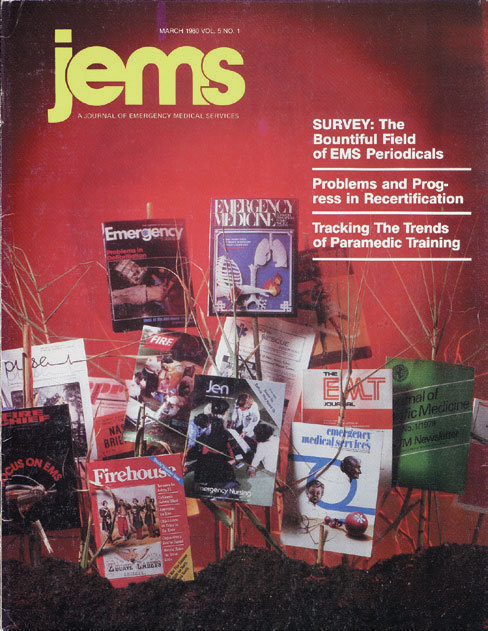
JEMS Magazine Launched

The Journal of Emergency Medical Services (JEMS) was founded by Jim Page as publisher and Keith Griffiths as founding editor. In October 1979, Page acquired Paramedic International—a quarterly magazine created by paramedic Ron Simmons—for $1.00. He and Griffiths published its final issue in November 1979 and relaunched it as JEMS in March 1980.

JEMS became one of the most influential publications in EMS, providing education, commentary, and leadership for the growing profession.

JEMS First Edition Cover Image: The first cover of JEMS – Source: National EMS Museum

Learn more at the National EMS Museum

EMS Funding Shifts to State and Local Jurisdictions

Amid federal budget constraints, states and local governments assumed greater responsibility for EMS funding. This shift fragmented national momentum, making uniform advancement more challenging.

First Annual Virginia EMS Symposium Held in Williamsburg

Virginia hosted its inaugural statewide EMS Symposium and designated Regional EMS Councils under the State Board of Health, formalizing regional infrastructure for EMS development.

EMT-Intermediate National Exam Created

The National Registry developed a standardized exam to establish a new certification level between EMT-Basic and Paramedic, with testing initially conducted in Jackson, Mississippi.

NASEMSD Formed (Now NASEMSO)

The National Association of State Emergency Medical Services Directors (NASEMSD) was formally established in 1980, evolving from the earlier Emergency Medical Services Administrators Association (EMSAA) formed in the late 1970s. Jimm Murray, Wyoming’s EMS Director, served as the first president. The organization began with support from ACEP and later transitioned through multiple management entities. Today, it operates as the National Association of State EMS Officials (NASEMSO), continuing its leadership role in national EMS policy.
Read the full NASEMSO 40th Anniversary Document

First Accredited Paramedic Programs

In 1980, the University of California, Los Angeles (UCLA) and Eastern Kentucky University became the first institutions to have their paramedic programs reviewed and accredited by the Council of Allied Health Education and Accreditation (CAHEA), in cooperation with the Joint Review Committee for EMT-P. This milestone marked the beginning of formalized national standards for paramedic education and helped elevate EMS training into higher education institutions.
First Accredited Paramedic Programs
Credit: JEMS